 Photo: Quest-France
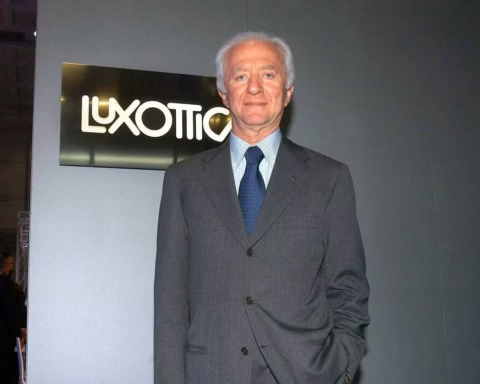
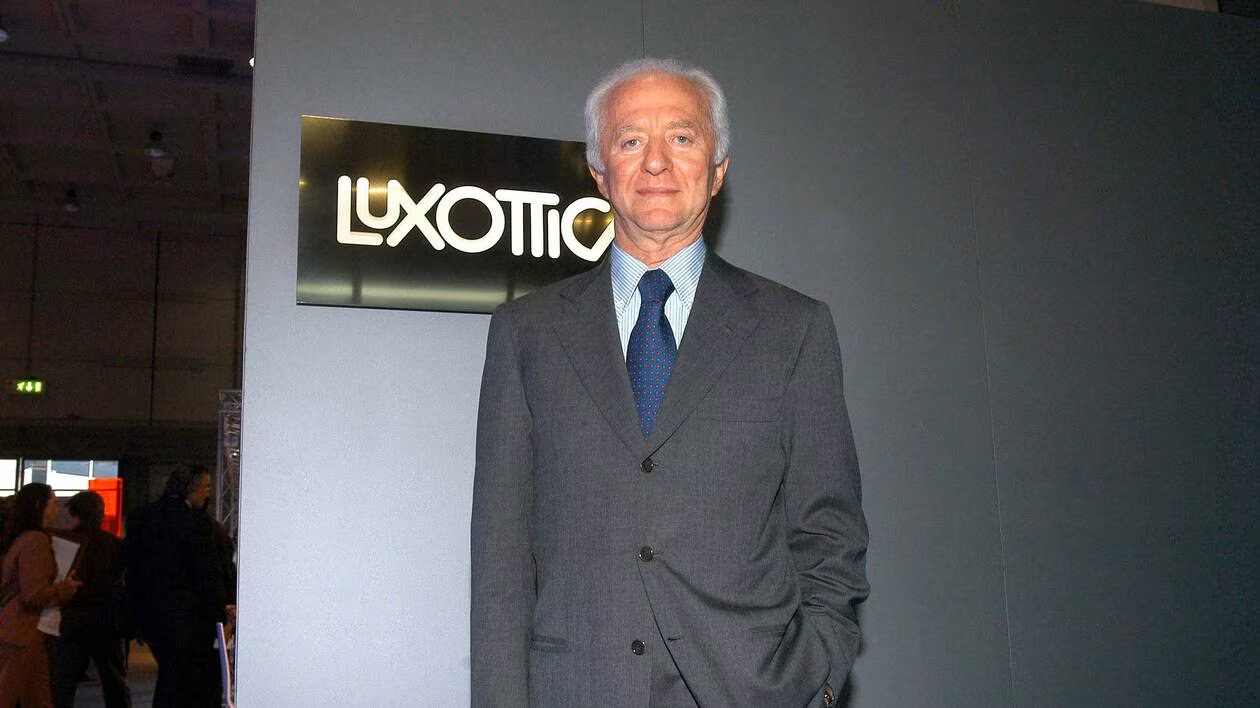
Leonardo Del Vecchio built a $24 billion empire from nothing. Actual nothing. At seven years old, his mother sent him to a Milan orphanage because she had four other children and no way to feed him too.
Eighty years later, his six children are fighting over what he left behind.
From a Milan Orphanage to the Top of an Industry
Leonardo Del Vecchio started with nothing. Actual nothing. He was born in Milan in 1935 to a father who died before he was even born, a fruit peddler his son never met.
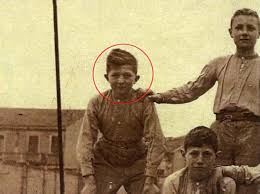
His mother already had four other kids and no way to feed them all. So at seven years old, she sent him to an orphanage because the streets weren’t safe.
That orphanage ran on brutal discipline. Wake at six with no excuses. Line up shirtless in freezing January weather because the nuns believed the cold built character and discipline. He lived that life for seven years, before he was even a teenager. Then, at fourteen, he left and started apprenticing at a tool factory, studying engineering at night while working full days. By his twenties he had moved to Agordo, a small town in the Alps, and started making eyeglass components with a dozen workers on land the town gave him for free. That tiny operation became Luxottica.
A $640 Million Bet That Changed the Eyewear Industry
In 1999, Del Vecchio bought Ray-Ban for $640 million. Advisors called it overpaying but he didn’t blink. He pulled the brand out of 13,000 cheap outlets, raised prices, upgraded quality, and took the Wayfarer’s lacquer coating from two layers to thirty-one. A fading brand became the most recognizable sunglasses on the planet.
He kept building after that. Oakley came for $2.1 billion in 2007. Then, at eighty-three, he merged Luxottica with French lens giant Essilor in 2018, creating EssilorLuxottica, the largest eyewear company in history. By the time he died of pneumonia in 2022 at eighty-seven, his empire controlled roughly a quarter of the entire global eyewear market.
He also built something quieter but just as powerful: a private holding company called Delfin S.à r.l., based in Luxembourg and worth over €40 billion. Delfin held stakes in Banca Monte dei Paschi di Siena, Assicurazioni Generali, and UniCredit. Del Vecchio personally held close to 20% of Mediobanca too, and sat among Generali’s largest shareholders. This wasn’t just an eyewear tycoon. This was a man with his hands in half of Italian finance.
Six Kids, Billions and No Roadmap
He left behind six children, and apparently no airtight plan for how they’d share any of it. Four years after his death, the gloves are officially off. Leonardo Maria Del Vecchio, one of the six heirs, is only thirty-one but he wants to buy out his siblings Luca and Paola for a combined €10 billion, absorbing their 25% stake in Delfin.
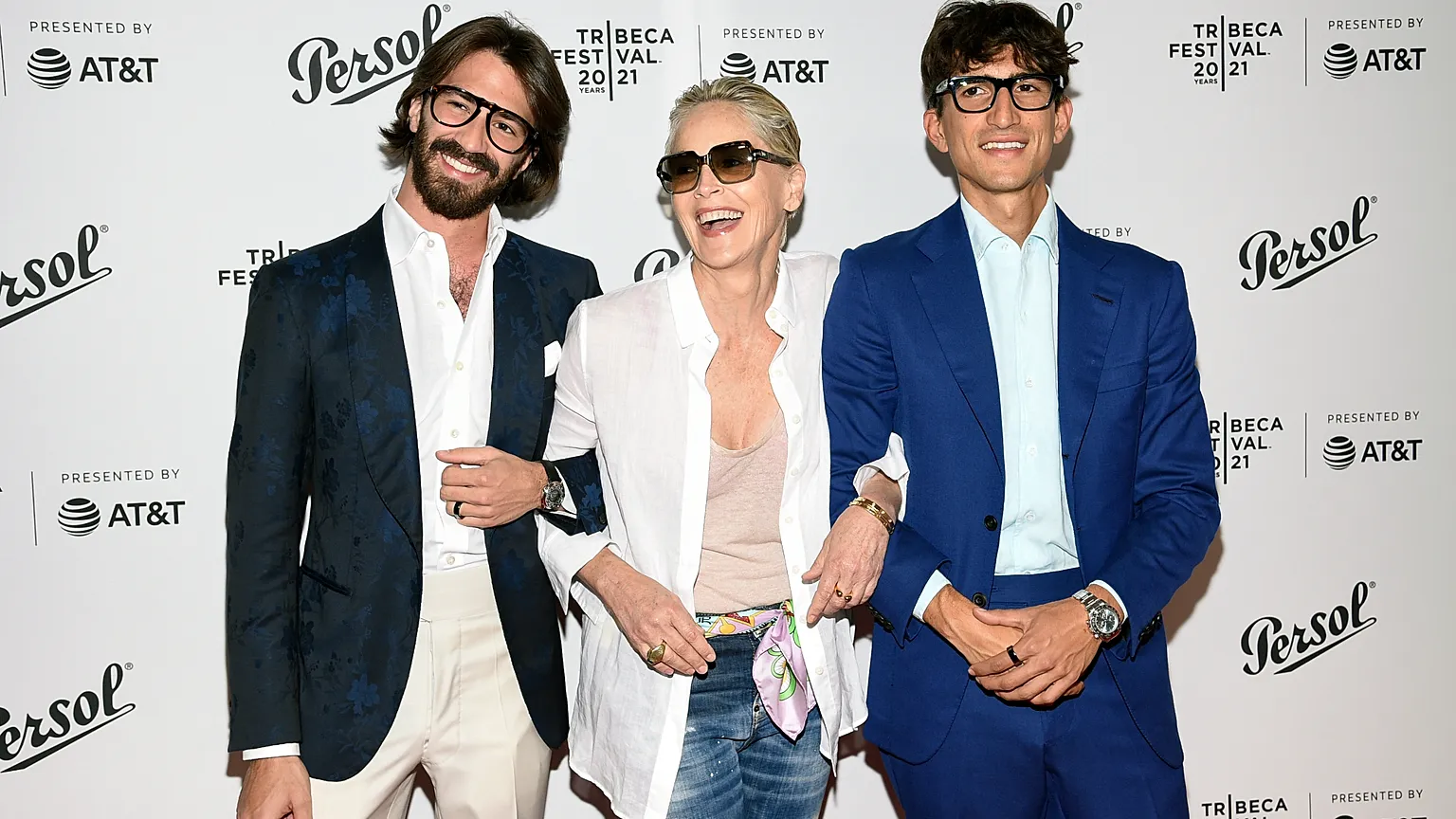
If it goes through, his own stake jumps to 37.5%, making him the family’s biggest shareholder by a wide margin. Now, here’s how the world found out. Leonardo Maria published an open letter, on a newspaper he personally owns, days before a major shareholder meeting on June 30. In it, he publicly accused his own family’s board of stalling, of shifting positions without explanation, and of letting the financing banks demand guarantees from him while offering him no transparency in return. His own words: the issue stopped being financial and became a matter of governance. Translation: this was never really about money. It’s about who runs the family fortune now.
Mileri Has a Different Idea, and It Cuts Leonardo Maria Out
Francesco Milleri chairs Delfin and has run EssilorLuxottica’s day-to-day operations since 2020. He didn’t inherit his seat, he earned it, and he isn’t backing Leonardo Maria’s plan quietly.
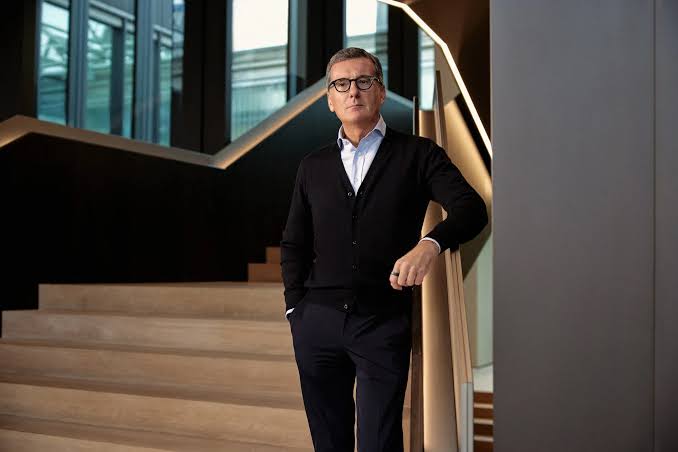
Milleri is reportedly weighing a different move. Instead of letting Leonardo Maria absorb his siblings’ stake and take control, Delfin itself would buy back Luca and Paola’s shares at the same €10 billion price, then redistribute them evenly across all six heirs. The difference between these two plans is everything. One ends with a single thirty-one-year-old holding the crown. The other ends with six siblings holding equal pieces of what their father built, and nobody calling the shots alone. Nobody outside the family knows yet which version wins.
None of this had to become public. Family holding companies usually settle disputes quietly, through lawyers, never in print. Leonardo Maria chose the opposite, publishing in a paper he controls, timed right before the vote. Whether that reads as confidence or desperation depends entirely on who you ask.
Ten Billion Euros Is on the Table, and So Is the Family
The deal hinges on a €10 billion financing package from UniCredit, BNP Paribas, and Credit Agricole, reportedly one of the largest acquisition loans ever arranged for a single person in Europe. As talks advanced, the banks pushed for stronger guarantees on future dividends and long-term stability. Leonardo Maria says that part is fair. What isn’t fair, in his telling, is that Delfin’s own board couldn’t give him or the banks a straight answer.
He said it himself before the June 30 meeting: this was never going to be about the balance sheet. It would decide something bigger, the very nature and future of Delfin itself. Four years after their father’s death, six adults are negotiating, through lawyers, open letters, and competing bank consortiums, what their father’s empire and their own relationships are actually worth.
There’s something almost tragic buried in this too. Del Vecchio once said, in one of his final interviews, that the factory had become his real family, admitting he’d barely had time for his actual kids while he built the empire. Now those kids are fighting, loudly and expensively, over exactly what he left behind. An orphan built a global empire out of freezing mornings and zero safety net. His children are learning that inheriting an empire comes with no instructions for sharing it, or for trusting each other once the money gets big enough to make everyone forget. So next time you put on your Wayfarers, or your Oakleys, or honestly any sunglasses at all, know that a €10 billion sibling standoff is running quietly behind the brand.