In October 1981, Maurice Fleuret walked into a new job. Jack Lang had just appointed him Director of Music and Dance at the French Ministry of Culture, and Fleuret arrived with a specific philosophy already formed. Music, he believed, should be everywhere. The concert, as a ticketed event behind a closed door, had become the barrier. It required money, logistics, and a particular kind of cultural confidence that not everyone possessed. Fleuret was not interested in building a new institution. He was interested in dismantling the conditions that kept music locked inside existing ones.
A survey published the following year handed him the evidence he needed. Five million French people played a musical instrument. One in two young people. The concerts, however, happened behind closed doors. A child who played the flute in her bedroom had no stage. A brass band in a provincial town had no guaranteed audience. A jazz trio in a working-class neighbourhood had no venue that did not charge either the musician or the listener. Fleuret drew the obvious conclusion. The music, musicians and audiences existed. What did not exist was a structure that let all three meet in public, for free, on equal terms, without anyone deciding in advance what was worth hearing.
He proposed one. Jack Lang, then among the most ambitious Ministers of Culture France had ever appointed, gave it a date, a budget, and the institutional backing of the Ministry. On June 21, 1982, the first Fête de la Musique took place in Paris. The Ministry organised it in weeks, through posters and rapid coordination with local authorities. Thousands of performances appeared overnight across the city. Nobody involved predicted what it would become. The response, by every account, exceeded every expectation. The event became annual immediately and has not missed a year since.
A Pun That Became a Policy
The name is a deliberate linguistic trap. Fête de la musique means festival of music. Faites de la musique means make music. Both phrases sound identical in spoken French. Fleuret and Lang built the entire premise of the day into that pun. There is: no theme, no headliner, no commercial sponsor and no entrance fee. Any musician can perform anywhere. Professional, amateur, conservatory-trained, self-taught, a child with a recorder or a retiree with a harmonica. Any genre is welcome without condition. Classical orchestras and punk bands and electronic DJs and traditional folk singers occupy the same streets on the same afternoon. No style takes priority over another. The policy produced an event the state could not fully control. That was precisely the intention.
From Paris to 700 Cities in Four Decades
The international expansion followed faster than anyone anticipated. During the European Year of Music in 1985, the Fête de la Musique spread first across Europe. Italy adopted it that same year and built its own version, Festa della Musica, which became a national event by 1994. The UK launched National Music Day in 1992. Germany built what is now the largest Fête de la Musique outside France in Berlin.
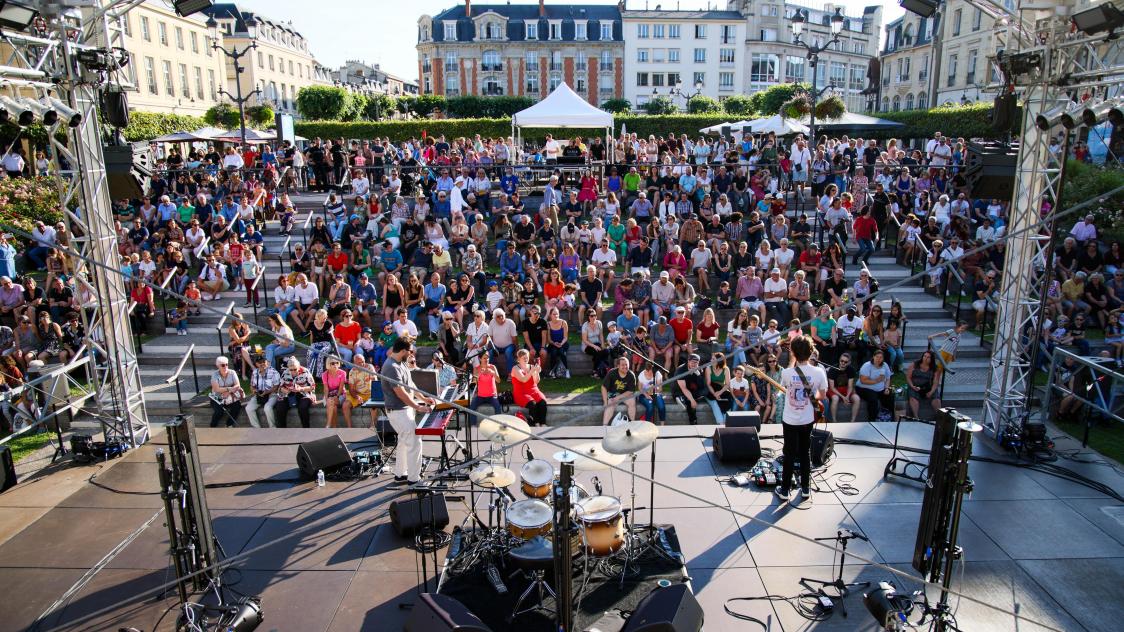
Today the festival runs in more than 700 cities across 120 countries, including India, Germany, Italy, Greece, Russia, Australia, Peru, Brazil, Ecuador, Mexico, Canada, the United States, the UK, and Japan. In the United States, the Make Music Alliance launched in New York in 2007 and now coordinates events across more than 100 cities. New York, Philadelphia, and Cincinnati each run over a hundred separate concerts on the day alone. Every country adapts the format to its own musical culture and its own public infrastructure. The core condition remains non-negotiable everywhere: free, live, public, no hierarchy of genre or performer.
France remains the spiritual home of the festival, with more than 18,000 concerts taking place in a single day and an audience of around 10 million people. Italy hosts more than 25,000 performing groups. China stages around 15,000 free events across 200 cities. The numbers are not incidental. They are the argument. No ticketed festival on earth reaches this scale. None has tried to. The Fête de la Musique reached it by removing the one condition that limits every other event: the requirement to pay.
From the Palais-Royal to a Prison Yard
In Paris, the Fête de la Musique runs across all 20 arrondissements from early morning until past midnight. Every surface becomes a performance space. Churches host baroque ensembles and choral concerts. Museum gardens stage jazz and world music programmes. The banks of the Seine carry brass bands and DJ sets simultaneously. Narrow neighbourhood streets in the 10th and 11th arrondissements fill with electronic acts and rap sessions. The grands institutions open their doors for free: the Palais-Royal, the Louvre, the Auditorium de Radio France, the Olympia, the national museums.
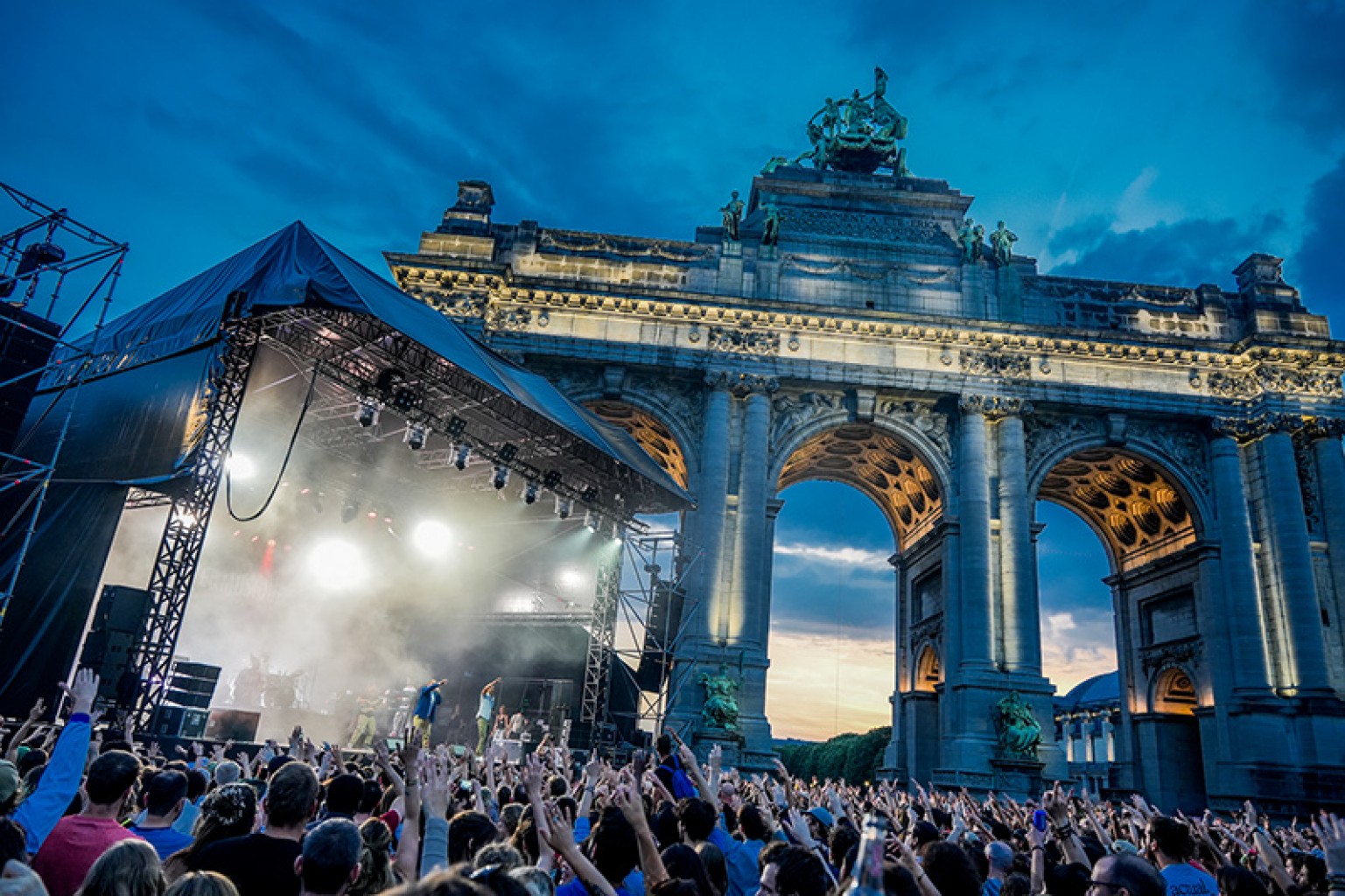
The major venues, however, are only a fraction of the picture. Rooftops, courtyards, juice bars, school playgrounds, hospital gardens, prison yards, and fashion houses become stages. The Ministry of Culture designates a featured genre each year, typically programmed at the Palais-Royal gardens, which serves as the event’s symbolic centre. That official programme covers only a small portion of what actually happens. The majority of the day’s performances are spontaneous and unregistered. Street musicians set up wherever they find space. Amateur groups claim a corner and begin. Neighbours drag chairs into a courtyard and play for an hour. Fleuret designed that mechanism in 1981. It has never needed updating. The state creates the condition and the public creates the content.
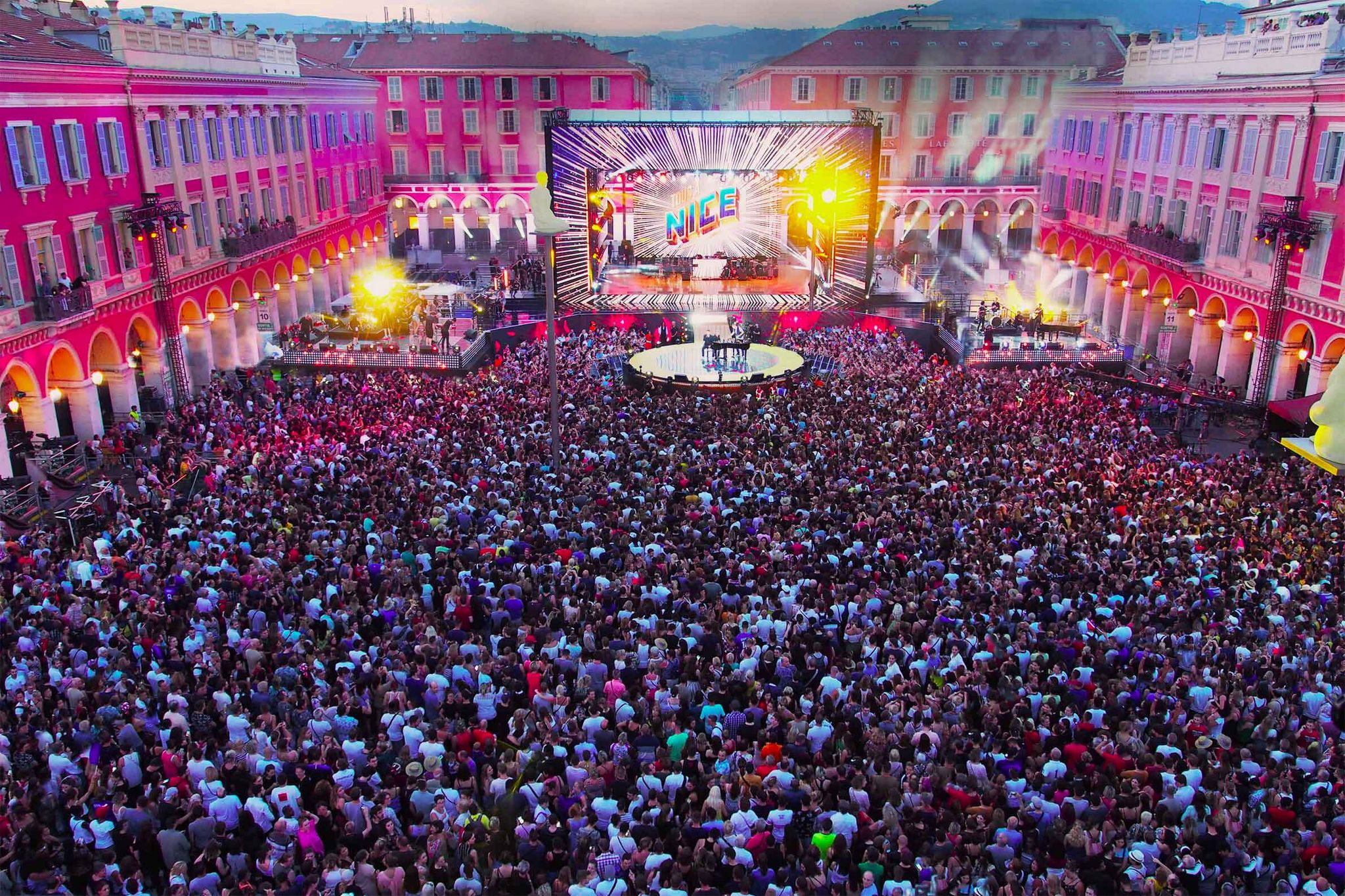
Beyond Paris, every major French city runs its own version of the same day. Lyon transforms its riverbanks and the covered passages known as traboules into performance corridors. Marseille fills the Vieux-Port with stages stretching from the water’s edge to the surrounding streets. Bordeaux programmes rock and chanson across Place de la Comédie and surrounding squares. Rennes hosts a Kate Bush sing-along. Nantes, Toulouse, Strasbourg, Nice — each city shapes the day around its own musical identity and its own relationship to public space. Fifteen thousand concerts on a single date draw ten million people to the streets of France. That figure does not include Germany, Italy, China, Brazil, or any of the other 116 countries running their own editions simultaneously.
The Accidental Encounter Is the Point
Most cultural festivals operate on a curatorial model. An organisation selects artists, builds a programme, sells tickets, and invites the public to consume what it has chosen for them. The Fête de la Musique inverts every element of that model. There is no curation, no ticket and certainly no separation between performer and audience that money or selection creates.
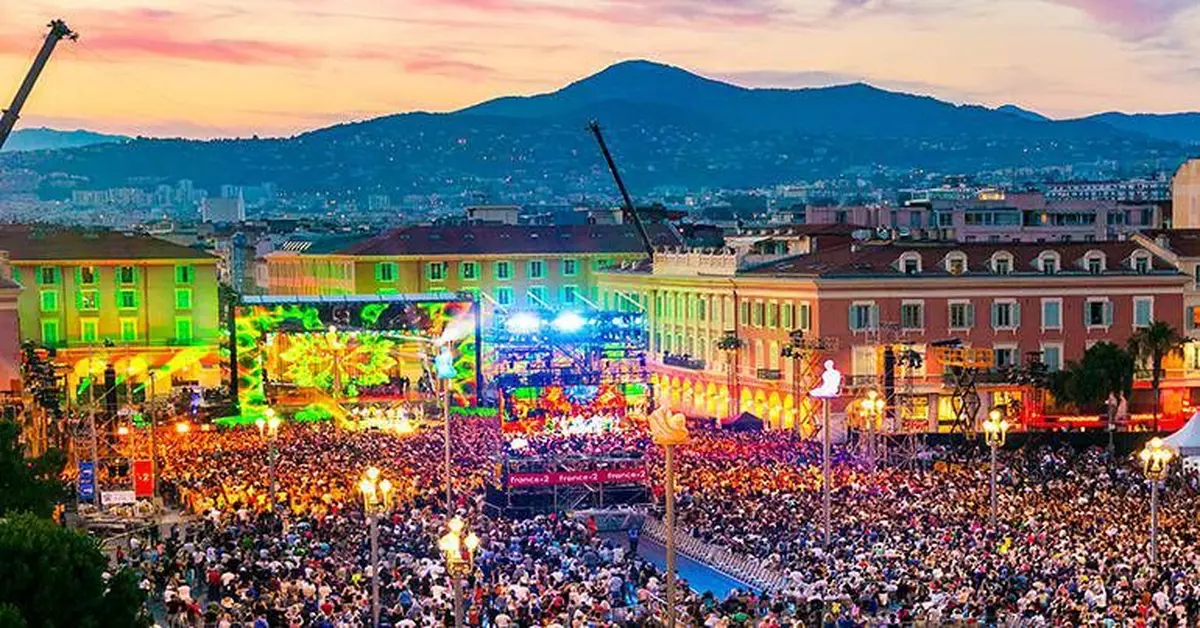
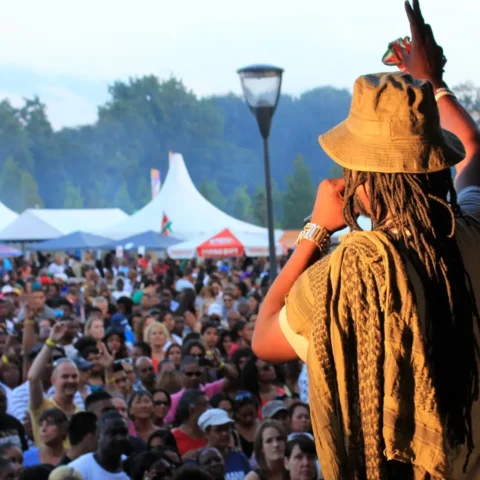
A musician who sets up on a street corner does not perform for a crowd that chose to see them. They perform for whoever happens to walk past that corner at that moment. The encounter is accidental and that accidental encounter is the point. Fleuret described his founding vision as “music everywhere and the concert nowhere.” That phrase sounds like a paradox at first reading. In practice it precisely describes what happens every June 21 across France and across the world. The concert, as a bounded event with a defined audience and a commercial transaction at its entrance, dissolves entirely. In its place comes something more diffuse and more democratic. Music becomes public weather. It exists in the environment rather than in a venue. People do not attend it. They walk into it.
Why Nothing Else Has Replaced It
That inversion has proven more durable and more exportable than any ticketed festival concept developed in the same era. The large-scale commercial festivals of the 1980s that charged admission, built brand identities, and expanded through corporate sponsorship have largely risen and fallen with the economics of live music. Several have disappeared entirely. Others have contracted or relocated. The Fête de la Musique, which charges nothing and builds nothing and sponsors nothing, has expanded continuously for over four decades. It now reaches more countries than any other music event in existence.
The reason is structural rather than cultural. Any city can participate without asking permission from Paris, without a budget, without building infrastructure, and without a single artist needing a booking agent or a fee negotiation. The day asks only that musicians play in public and that the public listen for free. Everything else follows. That simplicity is not a limitation. It is the mechanism.
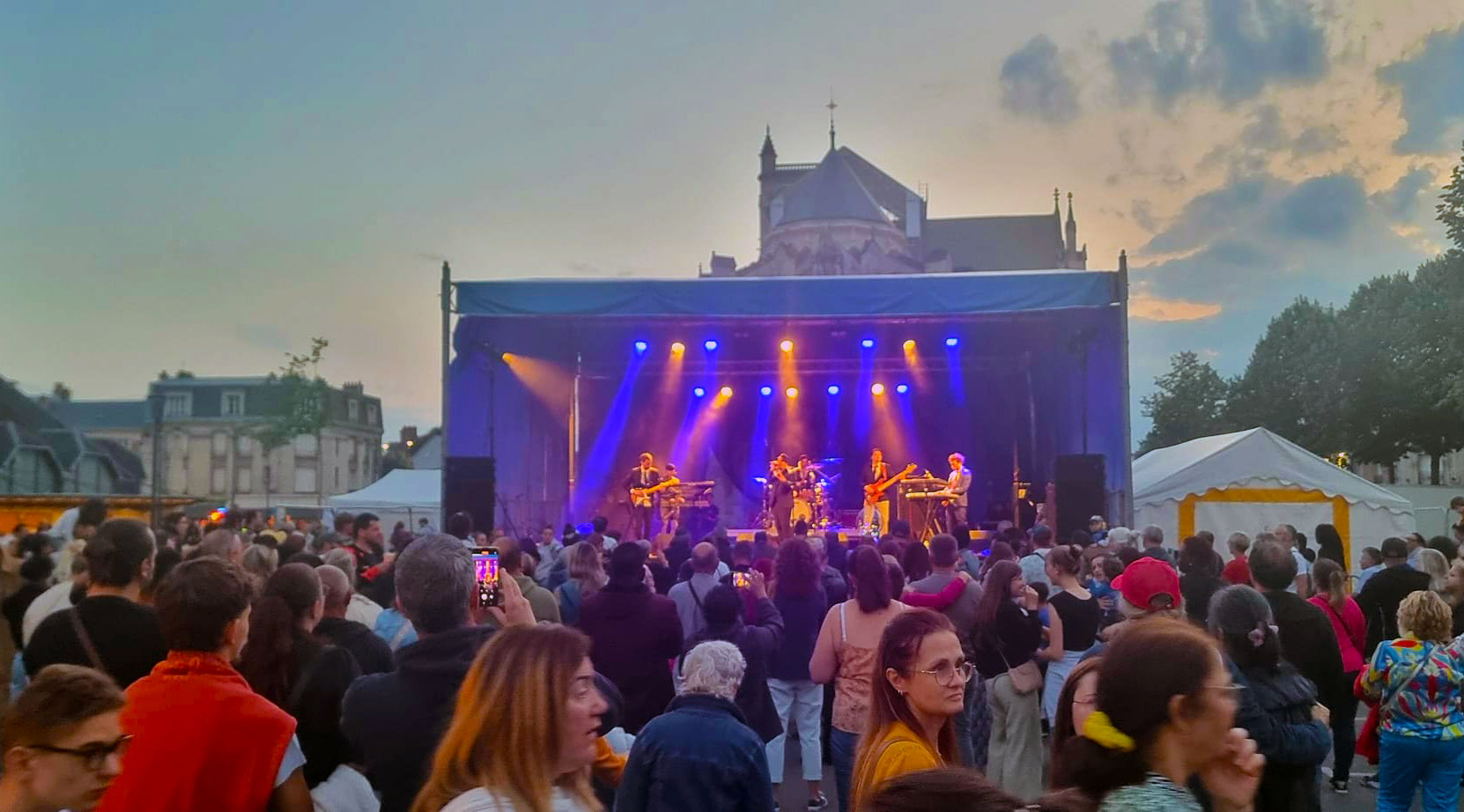
Additionally, the Fête de la Musique indicts, by its continued existence, the assumption that access to live music requires payment. Every June 21, ten million people in France alone attend concerts without spending a cent. They hear professional orchestras, emerging jazz trios, teenage garage bands, and elderly accordion players within the same afternoon, in the same city, often on the same street. The argument that high-quality live music can only be sustained through ticket revenue is answered, once a year, by the world’s largest free music event. It has been answered the same way since 1982. The answer has not changed.
Free Since 1982, Still Right, Still Expanding
The Fête de la Musique takes place every June 21 across France and in more than 700 cities worldwide. In France, events run from morning until past midnight, with exact times varying by city and venue. All concerts are free. In Paris, some high-demand stages at major institutions require prior reservation through the official website. The full programme, searchable by city, arrondissement, and genre, goes live each spring and updates continuously as new events register.
Paris public transport runs extended night services on June 21 across metro, RER, Transilien, and tram lines. Check RATP for specific schedules before the day. Outside France, search for Fête de la Musique, Make Music Day, or World Music Day events in your city through local Alliance Française branches, city council cultural offices, or the international event network at the official website. The best approach to the day is no approach at all. Walk. Follow sound. Let the city lead. The Fête de la Musique rewards wandering more than it rewards planning. Follow them on Instagram for programme updates, featured artists, and international event listings every June.