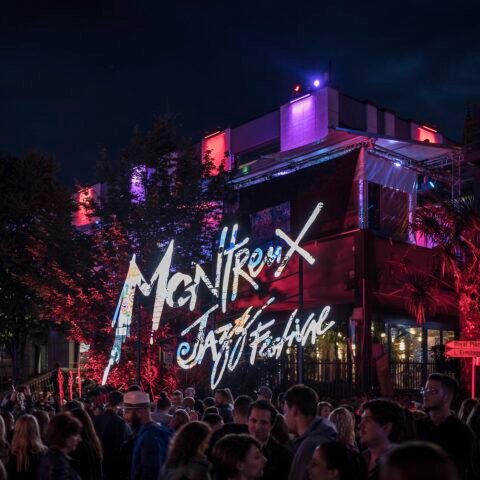
Long before Montreux became synonymous with sold-out summers and lakeside stages, its its history became inseparable from one fire. On December 4, 1971, a Frank Zappa concert at the Montreux Casino ended in chaos after an audience member fired a flare gun into the venue’s ceiling. As the casino burned, Deep Purple who had come to Montreux to record Machine Head at the casino,watched the smoke drift across Lake Geneva. They later immortalised the moment in Smoke on the Water, turning the accident into one of music’s most enduring legends.
Fifty-five years later, Montreux Jazz Festival is celebrating its 60th edition with that same instinct for reinvention. Rather than simply looking back at its history, the festival has spent the last two weeks performing it. Every major moment has felt like another chapter in a story that began long before this anniversary, proving that Montreux’s greatest tradition isn’t nostalgia, but its remarkable ability to keep reinventing itself without forgetting where it came from.
A Festival Looking Back to Move Forward
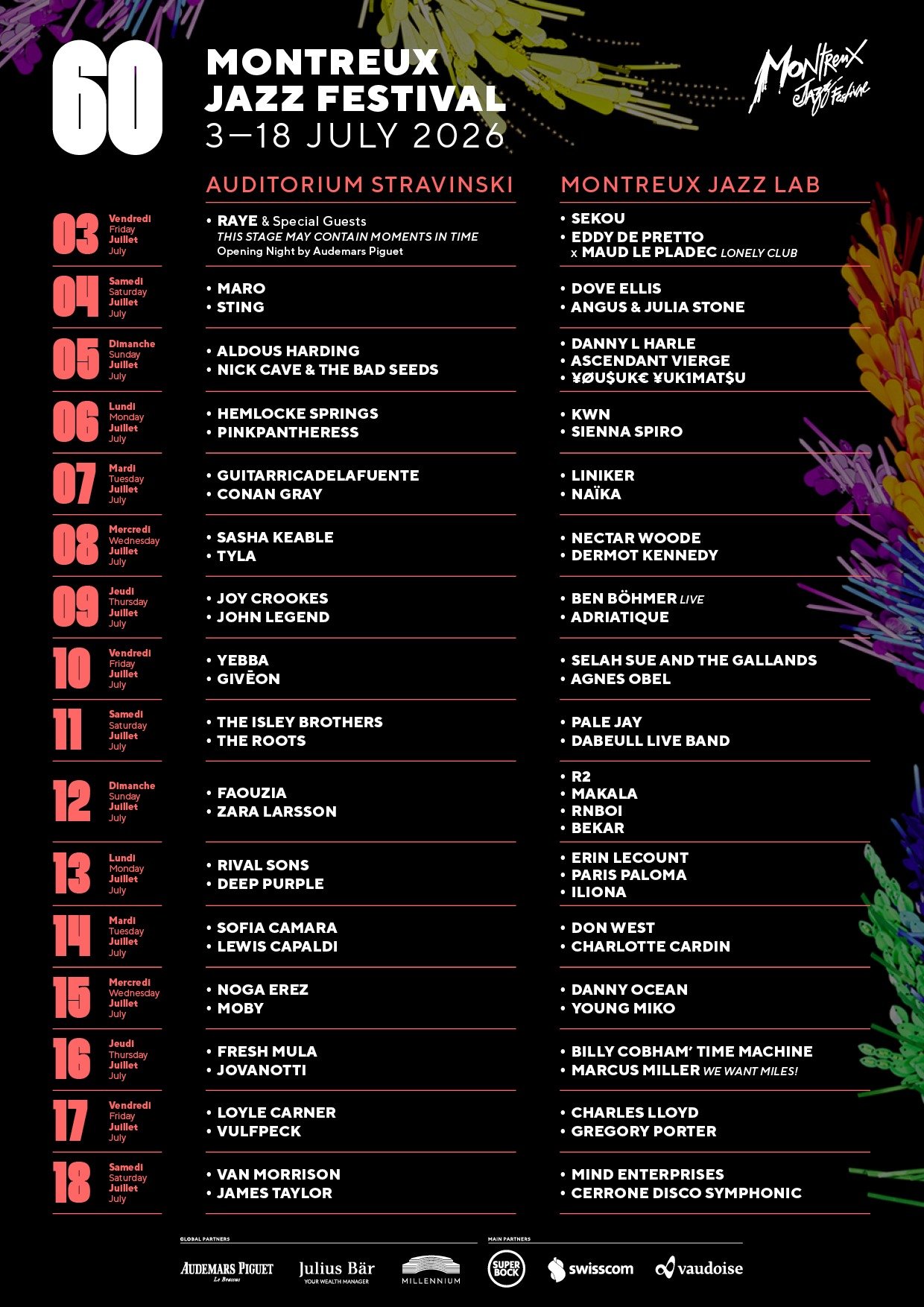
There was perhaps no better artist to begin that conversation than RAYE. Instead of treating opening night like another headline slot, she transformed it into a tribute to the artists whose music helped shape Montreux decades before her arrival. Taking the stage exactly fifty years after Nina Simone’s Montreux debut, RAYE opened with Simone’s haunting rendition of Who Knows Where the Time Goes, immediately placing the festival’s past at the centre of its present.
Twenty minutes later, the surprises began. Mark Ronson emerged first for a playful tease of Uptown Funk before staying for Suzanne, the song he and RAYE wrote together last year. Alicia Keys followed soon after, sitting behind the piano to a roar inside the Stravinski Auditorium that longtime festival regulars described as one of the loudest receptions the venue has heard in years. By the time RAYE welcomed her sisters onstage for Joy after paying tribute to Aretha Franklin and Prince, she had done something few opening acts attempt. She hadn’t simply opened Montreux’s 60th edition; she had reminded the festival who it has always been.
That same spirit continued throughout the opening week. Joy Crookes made her long-awaited Montreux debut on the Stravinski stage, delivering what several critics described as the week’s most captivating performance. Guitarricadelafuente followed with a set so compelling that one Swiss publication argued reducing him to his striking appearance meant completely missing the depth of his artistry.
Replacing Names, Not Momentum
On July 11, festival organisers announced that The Isley Brothers would no longer be performing, citing circumstances beyond both the band’s and the festival’s control. Many festivals would have scaled the night back, but Montreux widened it instead.
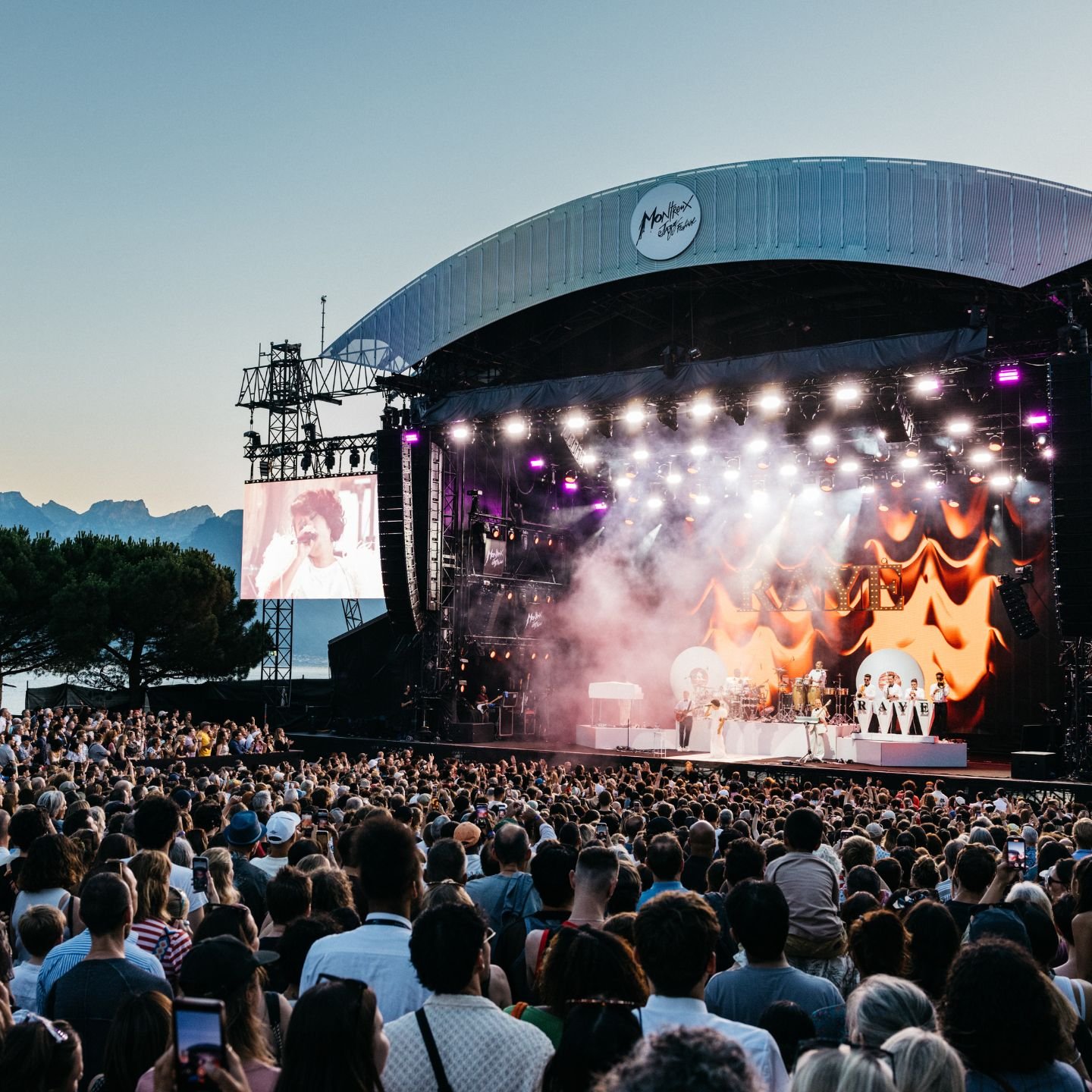
Ezra Collective stepped into the vacancy, returning to the festival eight years after their only previous appearance during Quincy Jones’ 85th birthday celebration. This time, however, they arrived not as promising newcomers but as Mercury Prize winners, delivering their first full Montreux performance with a confidence that justified every expectation. The Roots followed exactly as planned, with Black Thought’s relentless lyricism and Questlove steering the band through a triumphant closing run that fused The Seed 2.0 seamlessly into Curtis Mayfield’s Move On Up.
Two days later, history repeated itself.
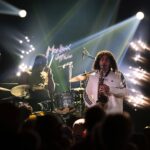
Rival Sons withdrew from Deep Purple‘s July 13 concert, with Canadian rock band Danko Jones stepping in at short notice. The evening unfolded without disruption. Ian Gillan stood once again in the town where Smoke on the Water was born, performing the song fifty-five years after the fire that inspired it and three decades after Deep Purple first appeared at Montreux in 1996. That has always been Montreux’s quiet superpower. Something changes. Someone disappears from the bill. Another artist steps forward. The music continues, and somehow the story becomes even stronger because of it.
Another Week, Another Story
If the first week celebrated memory, the second refused to become trapped inside it.
Agnes Obel brought her signature cinematic melancholy to the Lab stage, weaving together new material with songs already immortalised through series such as Big Little Lies and The Last of Us. Zara Larsson answered with the complete opposite energy, filling the same stage once graced by Etta James and Prince with Y2K visuals, inflatable dolphins and enough vocal power to prove that spectacle only works when genuine talent sits beneath it. Paris Paloma transformed her performance into something more confrontational, using Miyazaki as a pointed criticism of AI-generated art before slipping effortlessly into a Nelly Furtado cover and closing with her feminist anthem Labour.
Lewis Capaldi arrived on July 14 carrying a different kind of pressure. Having performed before 62,000 people at Hyde Park only days earlier, he described Montreux as the most intimidating stop of his tour. Yet the intimacy of the venue ultimately worked in his favour, allowing songs like Hollywood to land with an emotional weight impossible to recreate inside a stadium.
Elsewhere that evening, Leon Bridges quietly appeared for an unannounced performance inside the Memphis Lounge, previewing songs from his forthcoming album Happiness Anytime while revisiting favourites like Texas Sun. In true Montreux fashion, one of the festival’s biggest moments happened without ever appearing on the official schedule.
The Circle Closes
With only one night remaining, the festival now turns completely towards the history it has spent two weeks celebrating.
Marcus Miller headlined July 16 by reuniting the musicians behind Miles Davis’ celebrated 1981 live album We Want Miles, bringing together Mike Stern, Bill Evans, Mino Cinelu and Russell Gunn in a performance marking what would have been Davis’ 100th birthday. Sharing the evening with Billy Cobham‘s Time Machine while Fresh Mula and Jovanotti take over the main stage, the programme felt less like a tribute concert than another chapter in Montreux’s lifelong relationship with jazz’s greatest innovators.
The following evening saw Charles Lloyd return to the festival nearly six decades after appearing on its inaugural 1967 lineup. Few artists embody Montreux’s history quite like Lloyd, making his appearance alongside Gregory Porter feel less like another booking and more like the completion of a circle. Elsewhere, Loyle Carner and Vulfpeck took over the Stravinski Auditorium before the festival closes today, July 18 with Van Morrison and James Taylor.
Away from the headline concerts, more than 700 free events continue across 12 lakeside stages, while the festival’s beloved pool parties return for the first time since the venue’s two-year renovation temporarily brought them to an end.
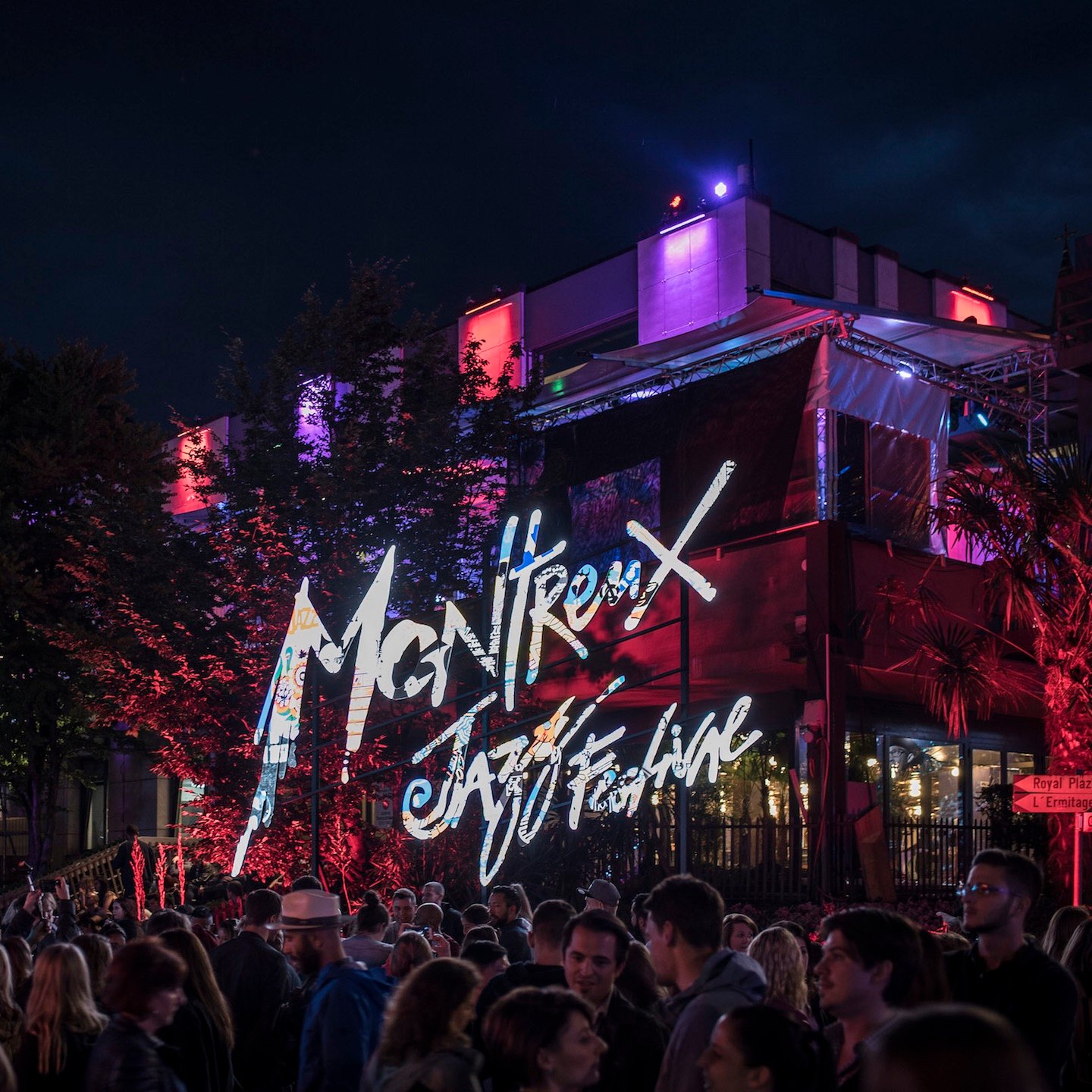
Thirteen nights into its landmark edition, Montreux has quietly reminded the world why anniversaries matter less than continuity. RAYE honoured the artists who came before her. Deep Purple returned to the town that inspired one of rock’s defining songs. Marcus Miller celebrates Miles Davis. Charles Lloyd walks back onto a stage he first played in 1967. Even two last-minute cancellations became opportunities rather than setbacks.
For six decades, Montreux has survived fires, changing musical eras, renovations and impossible expectations. The names on the poster change every summer. The venues evolve. New generations inherit the spotlight. Yet the instinct that built this festival in 1967 remains untouched: when something unexpected happens, the music doesn’t stop. Montreux simply finds another way to keep the story alive.
Montreux Jazz Festival returns in 2027 on the shores of Lake Geneva. For tickets, lineup schedule, and livestream access, keep tabs on the website. Follow the festival on Instagram and Mathieu Jaton, the festival’s director for more inside information.