In 1975, four friends in the Bijlmermeer high-rises decided the neighborhood’s kids deserved a summer even if their parents couldn’t afford a holiday. Chas Warning, Roy Groenberg, Guno Bakboord, and Emile Esajas organized a football tournament between the tower blocks, nothing more ambitious than that. They called it Kwakoe. Fifty-one years later, the tournament they built between apartment buildings has become the largest cultural festival in Amsterdam-Zuidoost, and last month its director announced this year will be its last in the form anyone alive has ever known it.
The name carries more history than most visitors realize. Kwaku is the Akan day-name for boys born on Wednesday, and Wednesday marks the day Suriname abolished slavery in 1863. Whether the founders chose the name with that date in mind or simply reached for a word already alive in their community, a children’s football tournament in a housing estate ended up naming itself after freedom.
A Neighborhood Competition Became a City Institution
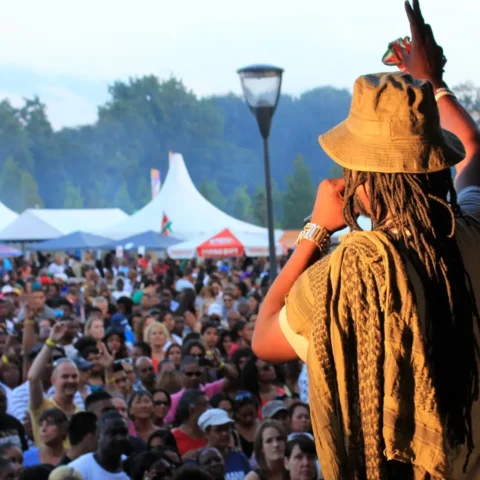
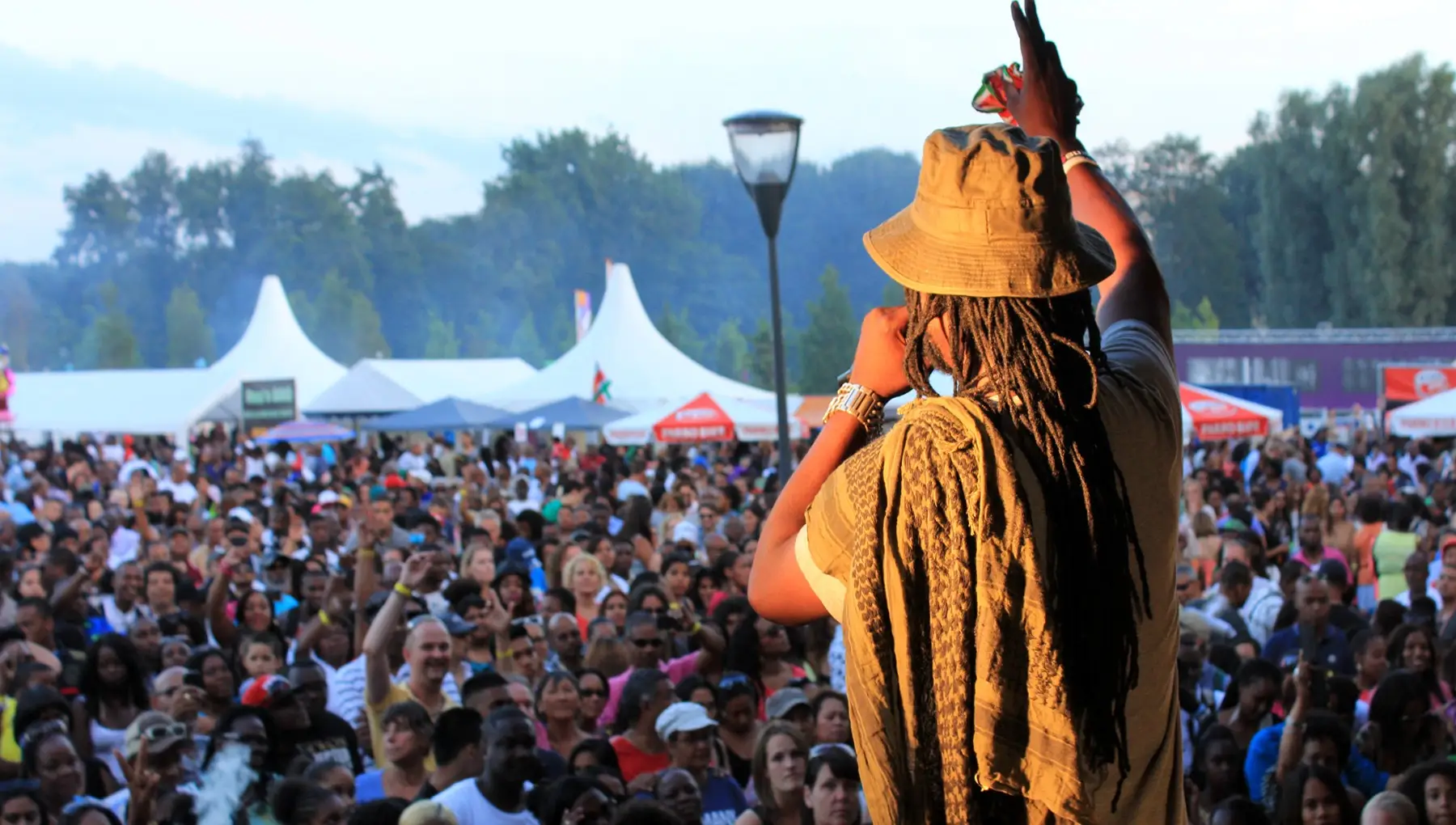
The early Kwakoe played out on the pitches of SV Bijlmer, teams from the surrounding blocks competing against each other while parents traded bami and bloedworst out of car trunks parked along the field. Word spread past the neighborhood fast, and by the time Winston Kout took the festival into the 1990s, teams were traveling from across the Netherlands to compete in something that had stopped being a local tournament and become an institution. Football gave way to music, debates, dance workshops, and beauty pageants. In 1983 the festival moved to what was then called Bijlmerpark and is now Nelson Mandela Park, where it has stayed for over four decades, growing into an event drawing roughly 300,000 visitors a year and anchoring what Zuidoost residents consider a genuinely irreplaceable summer tradition.
The Backs-Against-the-Wall Moment Had Been Building
On July 23, Kwaku director Ivette Forster confirmed what insiders had been bracing for: this year’s edition, the 51st, would be the festival’s last in its current form. The reasoning she gave was not a single crisis but an accumulation, tighter permit conditions, rising supplier costs, and a level of organizational complexity that has made the festival harder to run every year without becoming something it was never meant to be. Forster put the core dilemma plainly, saying the only way to solve the financial pressure now would be to drastically raise entrance fees, but then it would no longer be Kwaku.
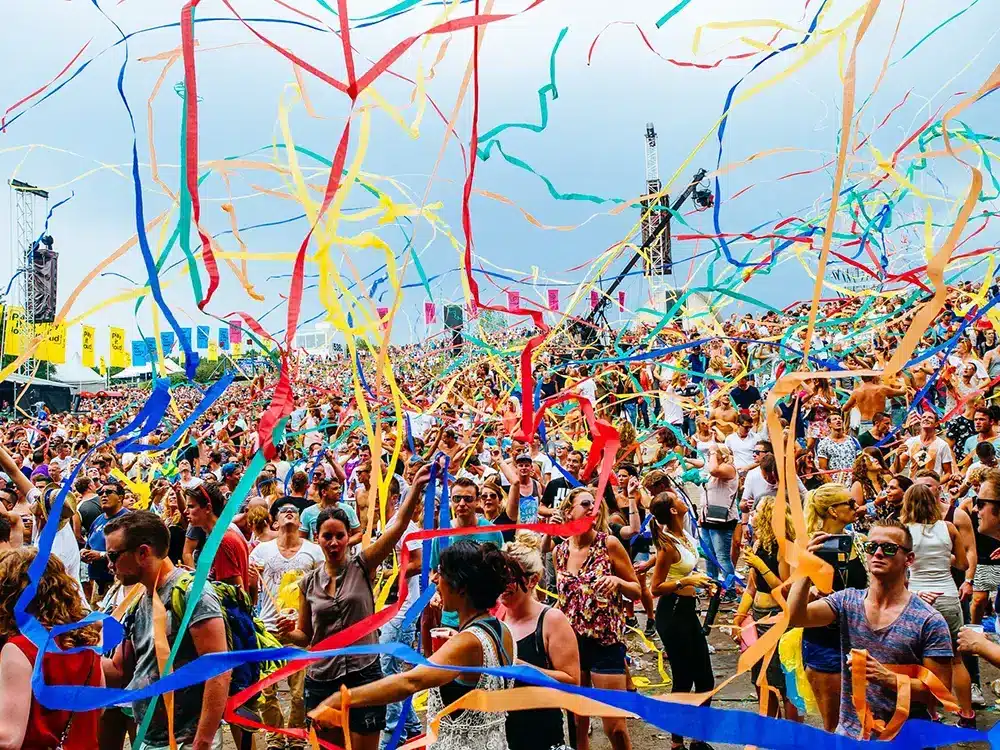
A festival built for a community that couldn’t afford holidays cannot turn into a festival priced like the dance events crowding the same summer calendar, and visitors are already telling the organizers so. Forster has been direct about the ceiling this creates: Kwaku cannot compete on price with festivals built around a different economic model, because the moment it does, it stops being the thing four friends built between apartment blocks in 1975.
Nobody has confirmed if the festival disappears entirely. Forster herself doesn’t know that yet, and the organization is in talks with the Zuidoost district about whether some version of Kwaku survives past this year. She has stressed that the announcement isn’t a pressure tactic aimed at the municipality, more an organization that has run out of ways to keep the math working and decided the public deserved to know before the last gate closes rather than after.
The Stallholders Inherited Their Spot, Not Just Their Stock
The detail that separates this closure from any other festival wind-down is what the announcement did to the people who build it every summer. Stallholders, stagehands, and exhibitors were told on a Wednesday that this would be the final edition, and the reaction wasn’t logistical, it was personal. Some of the vendors on site this year were there fifty years ago, and their children now run the same stalls. Forster described it as a way of life that had become a kind of family, the kind of language that only sounds sentimental until you consider how many of those families have handed the same stall down twice.
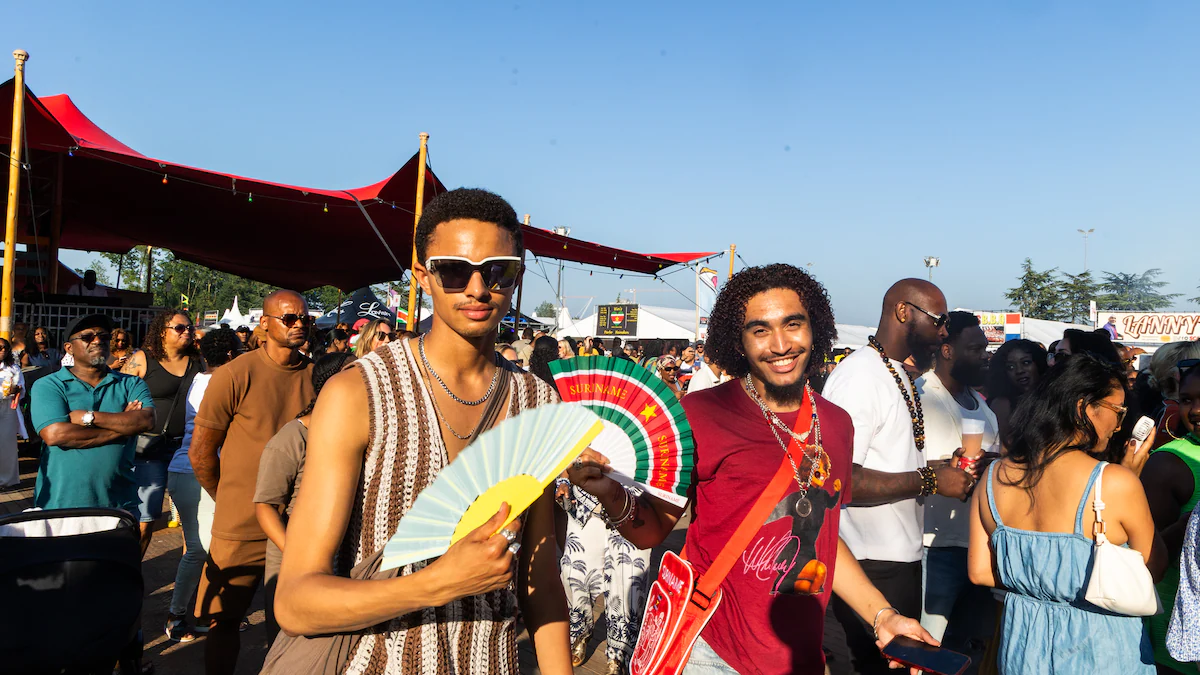
Rising costs and stricter permits are abstractions until they land on people who inherited their spot on the festival grounds the way other families inherit a shop. The economics of running a modern festival in Amsterdam apply the same permit fees, the same supplier costs, and the same organizational overhead to a fifty-year-old community institution as they would to any commercial dance event, regardless of who the festival was built for or how it got its name.