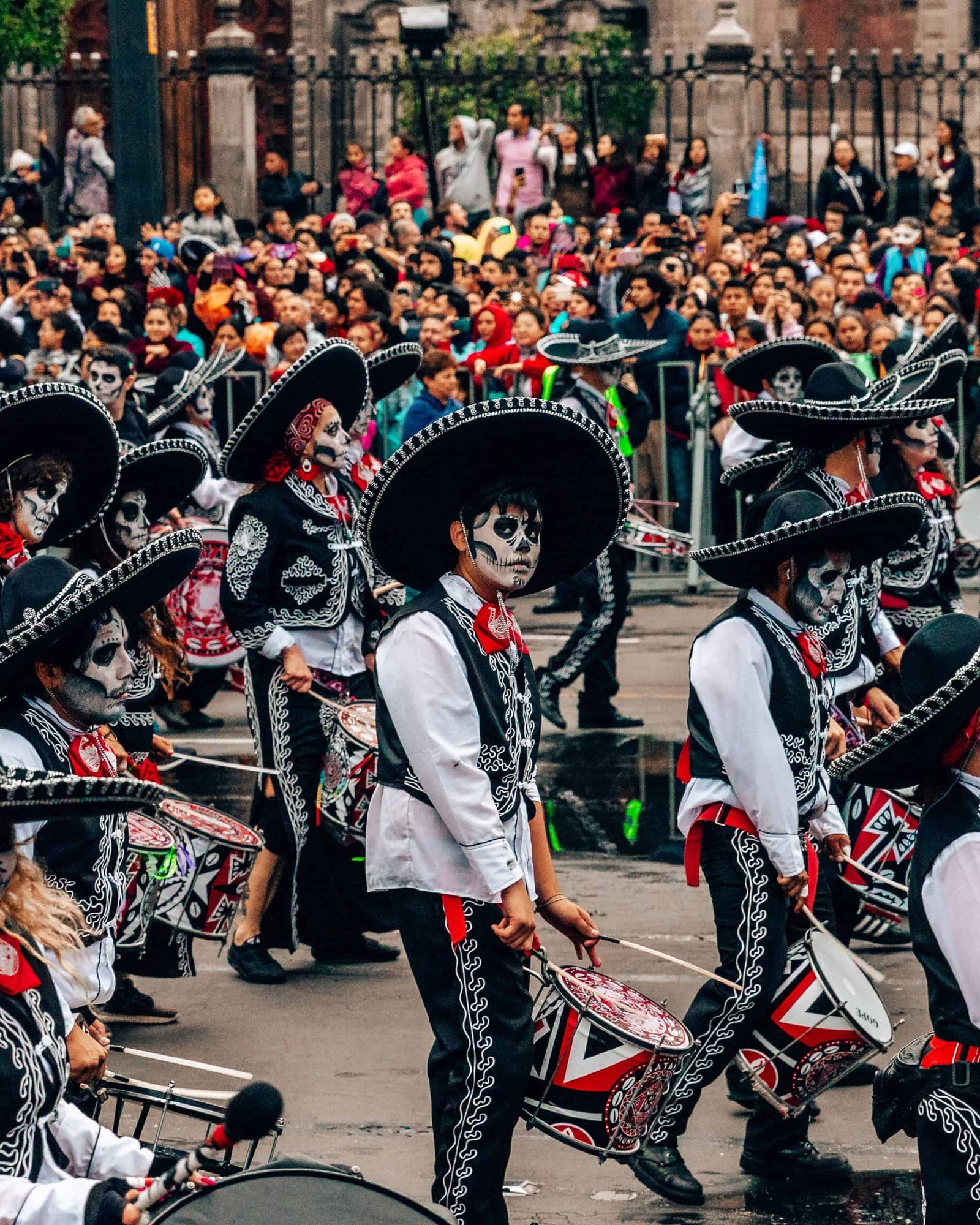
In 2015, the crew of the James Bond film Spectre shot a Day of the Dead parade that did not exist. They used Mexico City’s Centro Histórico and about 1,500 extras. Many viewers took it for an annual tradition, and foreign visitors then arrived expecting to see it. On October 29, 2016, the city government held its first large institutional parade. More than 1.3 million spectators attended the 2024 edition, according to Posta. On October 31 at 2 pm, this year’s parade leaves Reforma for the Zócalo to celebrate a fiction that became a tradition in two years.
The Bond story is half the truth, and a group of makeup artists wrote the other half. On October 26, 2014, Jessy Esquivias and a group of makeup artists organised the first Mega Procesión de las Catrinas. It was an independent march. Hundreds of people dressed as catrinas walked down Paseo de la Reforma toward the city centre. The group wanted to reclaim Día de Muertos from the influence of Halloween. A Mega Procesión de las Catrinas still runs on Reforma, and this year it falls on Sunday, October 25.
Mexico City Credited a Film and Its Former Culture Secretary Disagreed
Mexico Desconocido reports that Mexico City’s head, Miguel Ángel Mancera, stated that the 2016 parade’s authors were inspired by the Spectre film . This parade marched from Angel de la Independencia down Reforma to the Zócalo. It featured marionettes, mojigangas, and floats based on the film’s props and costumes. According to the poet, cultural promoter, and former Mexico City culture secretary Eduardo Vázquez, the parade concept existed long before the film was shot. Posta reveals that the film’s producers replicated a traditional megaofrenda in the Zócalo, which has been around for more than 20 years. If this is accurate, the film stole the capital’s idea and returned it with promotion and money.
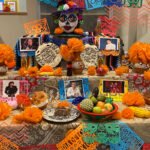
The parade this year starts at the Diana Cazadora circle and ends at the Zócalo. According to the Rio Times, the event has been held for the tenth time. It honours Juan Gabriel, Lola Beltrán, José Alfredo Jiménez, and Blanca Estela Pavón. It also includes a pre-Hispanic mythology section and folk art. Around it is the monumental ofrenda in the Zócalo, which is open from October 29 to November 2. It has a cartonería Catrina almost 32 m high. Meanwhile, the marigold festival opens on October 18 and runs through November 1 in Reforma, where approximately 140 producers will exhibit. In addition, the Mexico City Grand Prix runs from October 30 to November 1. Thus, the F1 race overlaps with the Day of the Dead parade. However, the procession and Zócalo exhibitions are free.
Mexico City Called the Day of the Dead Market a Public Disorder in the 1700s
Selling the dead is not a modern habit. After 1521, 300 years of Spanish rule folded Indigenous feasts for the dead into Catholic holy days. All Saints fell on November 1 and All Souls on November 2. In the 16th and 17th centuries, Catholics believed most souls waited in purgatory. The living could still help them with prayer or offerings. Colonisers and newly converted Indigenous Catholics bought candles and religious goods from the church. They could also pay priests to pray for the souls, a practice that lasted into the 20th century.
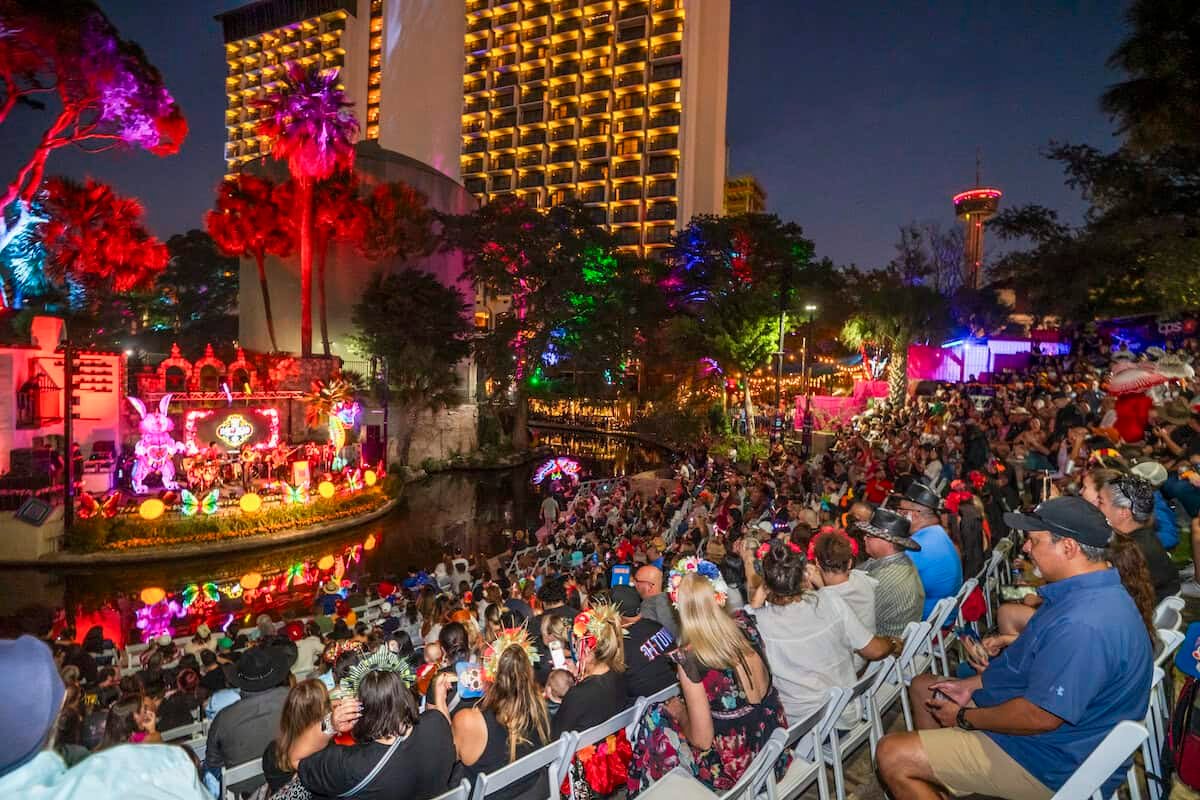
According to Claudio Lomnitz, whom The Conversation cites, the holiday produced Mexico City’s largest annual market by the 1700s. The streets and squares were full of merchants selling local products. The authorities called it a public nuisance and regulated it with special laws and licences for traders. Subsequently, the market became known for a wide range of goods: clothes, shoes, furniture, and farming equipment. Spanish colonizers’ chroniclers noted the influx of both silver and local food products. The 16th-century Diego Durán wrote about the enormous expenditures of the Aztecs on tombs, while Bernardino Sahagún wrote about the large market sales in Tenochtitlán.
In addition, the twentieth century brought tourism. Scholars Stanley Brandes and Ruth Hellier-Tinoco wrote about Mexico’s efforts to Latin America’s Day of the Dead and its promotion to outsiders. Hellier-Tinoco noted that the community’s Janitzio village ceremony in Michoacán became an attraction visited by more than 100,000 people a year.
Disney Tried to Trademark the Holiday and Then Hired Its Critic
In 2013, Disney tried to trademark Día de los Muertos, according to America Magazine. Mexican-American critics objected, and the cartoonist Lalo Alcaraz answered with a parody called Muerto Mouse. Its slogan read “It’s coming to trademark your cultura!” Disney eventually dropped the attempt. Its Pixar film Coco then brought in three consultants. They were Alcaraz and the playwright Octavio Solis. The third was Marcela Davison Avilés, who leads the Mexican Heritage Corporation in San Jose. Alcaraz pushed for more Spanish in the film’s dialog ue and checked the pronunciations.
The author in The Conversation argues that commercialisation also keeps the holiday alive. In 2019, the writer met a grandmother with a story. Her grandchildren took no interest in the family ofrenda until Coco and the sugar skulls at Target. The author concludes that selling the holiday is transforming it while also giving a new generation reason to feel proud.
Mixquic’s Residents Are Asking for Priority at Their Own Cemetery
The village of San Andrés Mixquic in the Tláhuac municipality is known for the best cemetery vigil. On the night of November 2, the Alley of Lights is opened in Mixquic – the cemetery is closed, and the visitors light candles on the graves.
The number of visitors is estimated at about 4 million people for the entire Tláhuac municipality. Of these, 1.5 million are expected to visit Mixquic, with 2 million visitors expected if the holiday falls on a weekend, according to Armando Martínez Cadena, the director of economic development in Tláhuac, quoted by UnoTV in October 2025. The village of Mixquic was visited by around 300,000 people in 2022. The residents of Mixquic described the situation. Karla, a resident of Mixquic, asked for a priority entry to the cemetery. Emelia Pérez, a seller, complained about the high entry fee. Elizabeth, another local, spoke of the gentrification of the event. One of the locals set the price for the concession at 5,000–10,000 pesos.
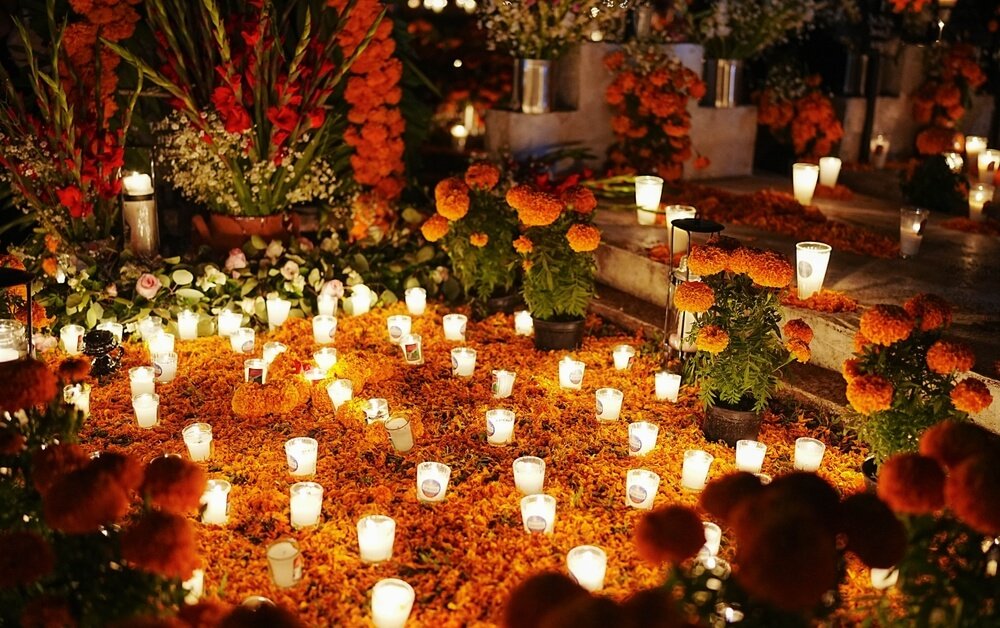
Meanwhile, the family altars tell another story. A pan de muerto seller told Mexico News Daily that a family told him about their experience. They built an altar for his recently deceased father-in-law, saying that “it’s as if he were here.” The seller also noted that the tourism was a plus for the town.
Every Layer Added to the Festival Borrowed From the Table at Home
Put the dates side by side and a pattern shows. The church sold candles for the dead in the colonial era. Then, the colonial government regulated the Day of the Dead market in the eighteenth century. Disney tried to trademark the name in 2013. The film borrowed the parade in 2015, and the capital borrowed the film in 2016. All of them borrowed from the ofrenda that people set up at home for their dead relatives. Nothing took away the Day of the Dead from the homes.
The parade will pass through the heart of Mexico City on October 31, and the film will continue to borrow. Mixquic will be dark on November 2, and families will come to the cemetery – exactly as it has been happening for centuries.
If you find yourself in Mexico City on October 31, you can attend the parade. It starts at 2 pm on the day of the holiday on the Diana Cazadora roundabout on Reforma. You can go to the monumental ofrenda in the Zócalo and visit it on any day from October 29 to November 2. If you prefer the cemetery vigil over the parade, you can head to Mixquic on the night of November 2. You should arrive early in Mixquic to gain entry to the cemetery with priority. Ask for permission to photograph people since the Mexican Times guide does not specify the cemetery’s opening hours. This year, the holiday falls on November 1 and 2, so those who have read this article after these dates will be able to use the information next year. The Rio Times guide will help you navigate the parade route, and the Mexico News Daily publication will tell you what the cemetery looks like.