In the 1630s a priest named Geoffrey Keating wrote that every fire in Ireland went out on the eve of Samhain. Druids then lit one great blaze on a hill outside Athboy. People carried flame from it to relight their own hearths. The medieval place-lore collections known as the Dindshenchas never mention this ceremony. Keating is the first writer to describe it. He wrote as a churchman with the anti-pagan leanings of his peers.
That hill is Tlachtga, now called the Hill of Ward. It sits in the same county as the festival that opens in Kells on Thursday 5 November. The Samhain Festival of Food & Culture runs through Sunday 8 November. Meath’s tourism bodies refer to the Boyne Valley as the place where Halloween began, and that claim leans heavily on Keating.
Nobody Can Check Keating’s Bonfire Against Anything Older
Tlachtga was a druidess in Irish legend who died on the hill giving birth to three sons. The legend places her grave beneath the great earthworks, an enclosure of four banks and ditches. The hill lies about twelve miles from the Hill of Tara, and in 1167 it hosted the last reform synod held under Irish kingship. Archaeologists have excavated the site, and nobody doubts that people used it for ritual. The name Ward belongs to a landowner whom Oliver Cromwell ousted in the 17th century. The hill’s modern name is therefore younger than Keating’s account of it.
The bonfire is the weak point but Keating added two more claims to it. He wrote that attendance was compulsory and that people offered sacrifice to the gods. Those details come from a seventeenth-century Catholic priest describing a pagan past, and no earlier text mentions the annual fire. Churchmen of his day had little reason to flatter the old religion, so the sacrifice claim deserves the most caution. Local groups have since revived the Samhain gathering on the hill, and fire burns there again on the eve. A modern tradition is real, but it is not proof of an ancient one.
Strip Keating away and the festival still has solid ground. Samhain opened the Gaelic winter, and cattle were led down from the upland summer pastures. The anthropologist James Frazer argued that the feast grew out of that pastoral year. The evidence that survives concerns herds, harvest and getting through the cold months.
Guisers Traded Verses for Food Long Before Trick-or-Treat
Offerings of food and drink were the core of the custom. People left them out for the wandering spirits, and they believed that whatever happened on that night shaped the next twelve months. Most scholars read the aos sí as the remnants of old gods. They received these gifts so that families and livestock would live through the winter. That is a larder festival. Organisers frame the weekend as honouring more than 5,000 years of food production in the Boyne Valley. That span is far longer than any text about Samhain.

The later record points the same way. Mumming and guising were part of Samhain from at least the early modern era. People went door to door in costume and recited verses in exchange for food. The modern custom keeps the same bargain. A weekend of cheese and long tables in Kells therefore sits closer to the evidence than any druid’s blaze.
A Viking Raid Built the Town That Now Hosts the Feast
The town earned its place in Irish memory the hard way. Vikings raided Iona in 795, 802 and 804, and the last raid killed sixty-eight people. The surviving Columban community then received land at Kells as a safe haven. The monks had a first church standing by 814, and the relics of Columba arrived from Iona in 878. The Book of Kells carries the town’s name. Scholars still argue over whether monks wrote it in Kells, in Iona or partly in both. It holds the four Gospels in Latin, and the original now sits in Trinity College Dublin.
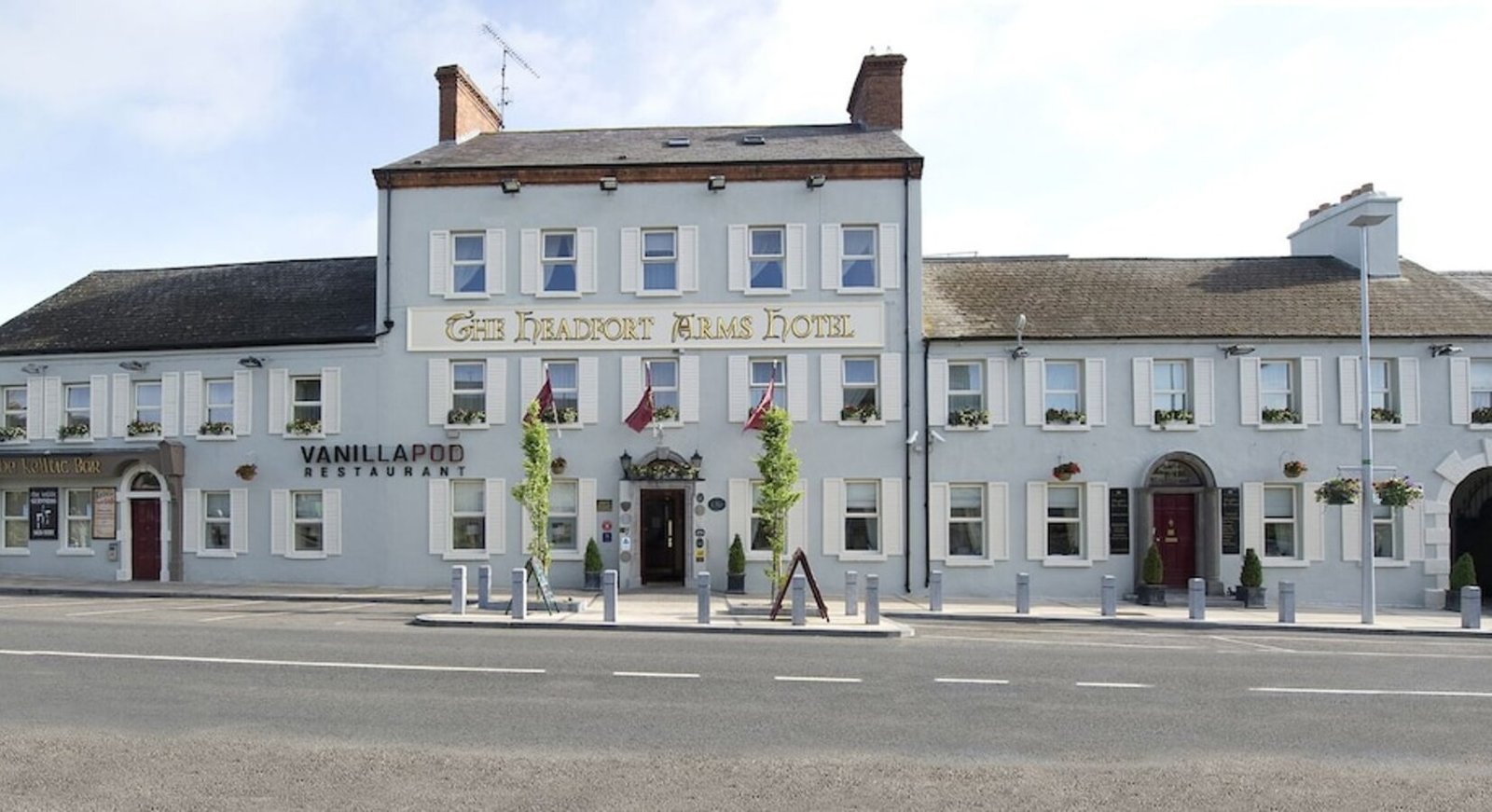
A facsimile stands in the Courthouse Tourism and Cultural Hub. Another sits in the foyer of the Headfort Arms Hotel, which also hosts the festival’s Saturday supper. The 2022 census counted 6,608 residents, so the festival lands on a small town.
Kells sits off the M3, ten miles from Navan and forty from Dublin. The heritage brochure puts it about 45 minutes from Dublin airport by motorway, and an express bus also runs from the city. Visitors can reach the monastic site, the round tower and the four high crosses on foot between sessions. The crosses and the tower predate every tasting on the programme by more than a thousand years.
Olivia Duff Wanted Reconnection and Planned for 6,000
Discover Boyne Valley Flavours, a network of food and drink producers, launched the festival in 2018. By 2022 the weekend included a symposium on the plan for Ireland’s first Centre of Food Culture in the Boyne Valley. Meath and Louth County Councils backed the project. The centre now organises the festival as its flagship event. Curator Olivia Duff is a hotelier and Kells Gin producer. She told the Meath Chronicle in 2024 that people wanted to reconnect with their food and heritage more than ever.
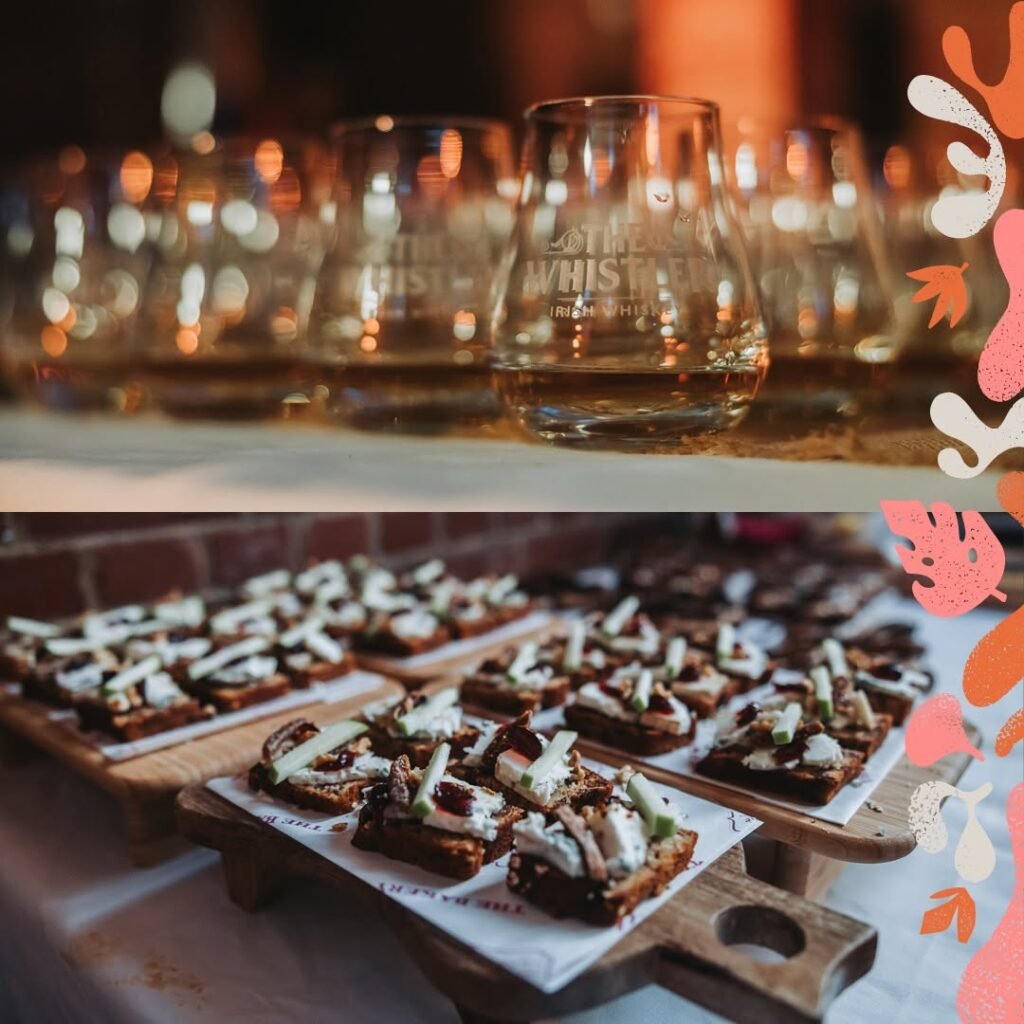
In 2024 Sheridans Cheesemongers joined as partner and brought more than 100 suppliers selling everything from apple brandy to blue goats’ cheese. The programme that year opened with oysters and stout at Jacks Bar and organisers had expected 6,000 visitors across that weekend. It then moved through a literary pub crawl and a panel on food and education. A talk on how Ireland will feed itself in a warming climate followed, along with a whiskey and chocolate tasting. Tickets ran from free to €90. This year the Sheridans Irish Food Fair runs on Saturday 7 and Sunday 8 November.
Tourism Boards Sell the Fire While Kells Sells the Table
Meath’s tourism calendar leans on one hill. Discover Boyne Valley calls the valley the home of Halloween, saying the bonfires once lit on Tlachtga to guide spirits now illuminate a run of festivals. Lú, The Festival of Light, the Púca Festival, the Spirits of Meath Halloween Festival and the Samhain Festival of Food & Culture all appear on that list. Spirits of Meath ran from 3 October to 9 November in 2025, and it pitches itself as “Fun by Day” or “Fright by Night”. Those events fill rooms in the weeks before winter, and the hill is the story that ties them together. That story still rests on Keating’s single account.
The food festival sits inside that calendar, yet its programme looks nothing like the others. It belongs to a wider run of Boyne Valley events across October and November. National Geographic Traveller has recognised the valley as one of the world’s best foodie destinations. The Kells weekend puts tastings, farm visits and a long table at the centre. Whatever story the brochures tell about the hill, the programme asks visitors to taste what the valley produces.
A €120 Supper Is the Festival’s Loudest Argument
Thursday 5 November opens with the Book of Memories Cafe at Eureka House. It is a free midday gathering for people living with memory loss or dementia, along with their families and friends. The Samhain Symposium is also on the 2026 programme. On Saturday at 3:30pm, a session called Food Across Borders takes up identity, migration and adaptation. That subject sits oddly beside druids and bonfires, and it fits the present far better.
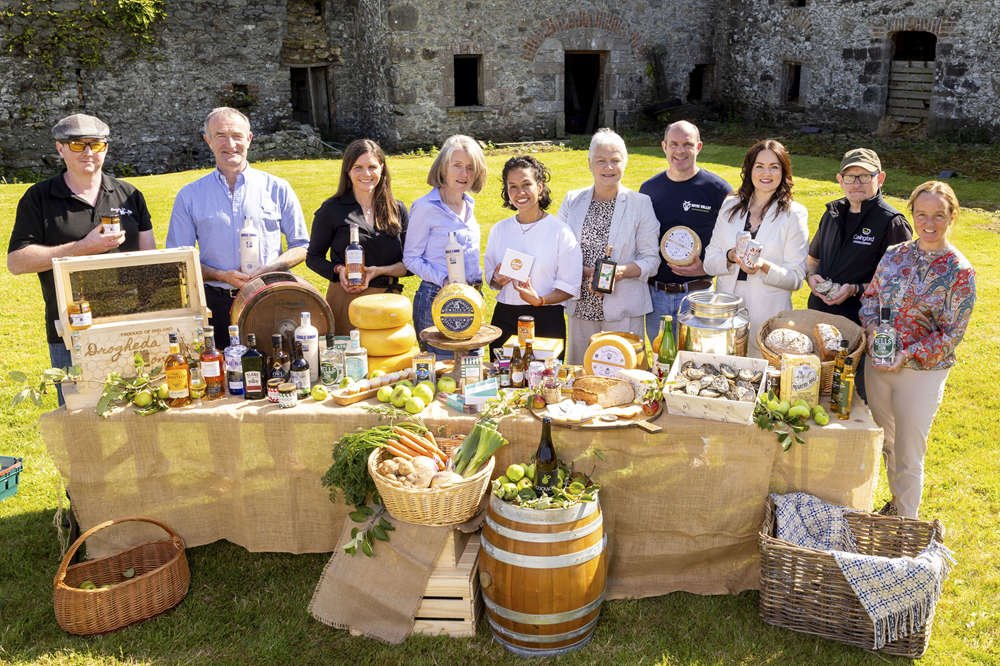
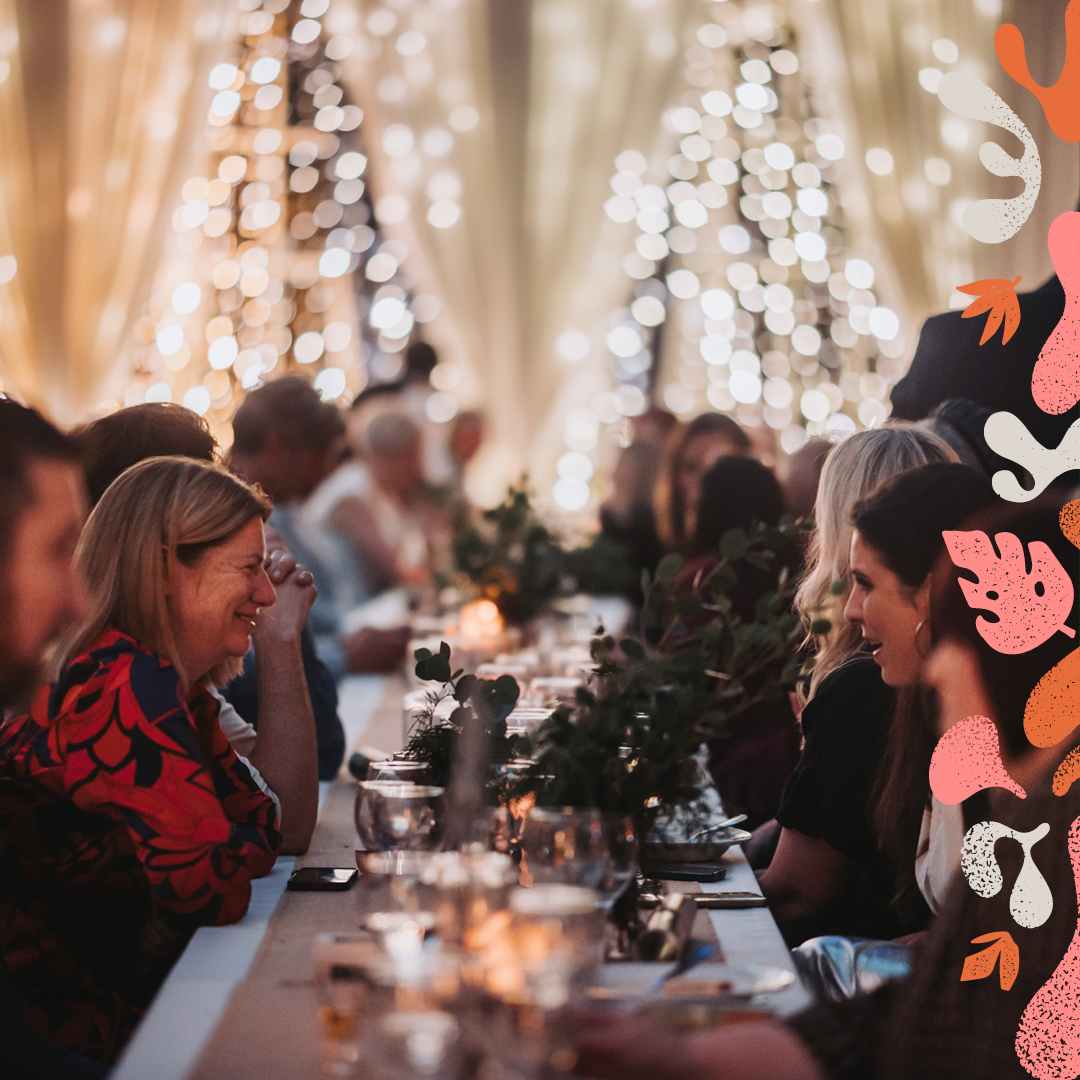
The Samhain Long Table Supper takes the Saturday night slot at the Headfort Arms Hotel from 8pm. Guest chef Luca Grasselli of Cascina Lago Scuro in Italy builds the menu from Irish and Italian ingredients. Tickets cost €120. Day passes for Saturday and Sunday cost €11.70 each at Eureka House. A Cooks n Books stage runs free with the festival grounds pass. An Icons of Ireland Afternoon Tea with Graham Herterich fills Saturday afternoon with the classics of Irish food culture.
Keating handed Meath a bonfire that no earlier text confirms, and the festival has built a better claim without it. Kells sheltered monks who fled the Vikings, and the Boyne Valley fed people long before any priest wrote about druids. Four days of tastings and one €120 supper will not settle where Halloween began. They will fill a town of 6,608 with producers who still feed the valley. The festival page carries the programme. Tickets sit on their own page, and updates run through on Instagram. The Hill of Ward is on private farmland, so anyone who walks up should respect the notices.