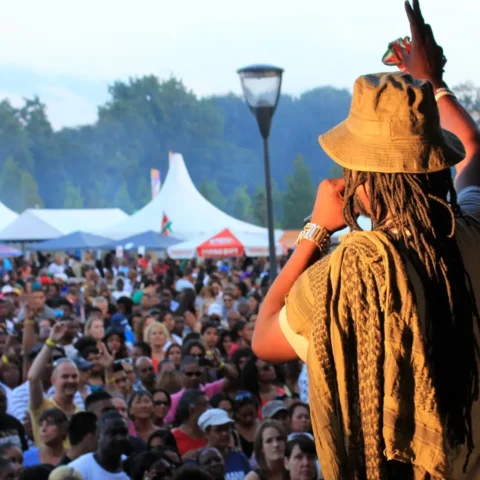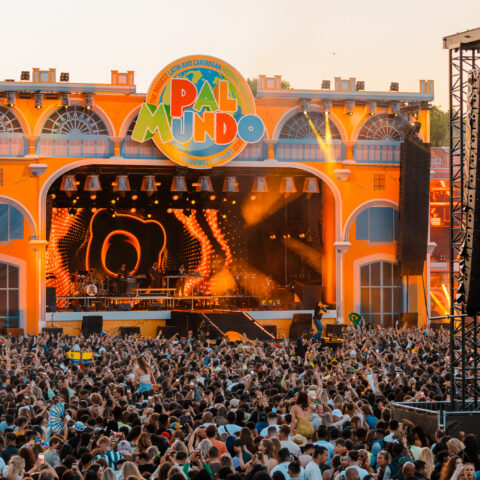
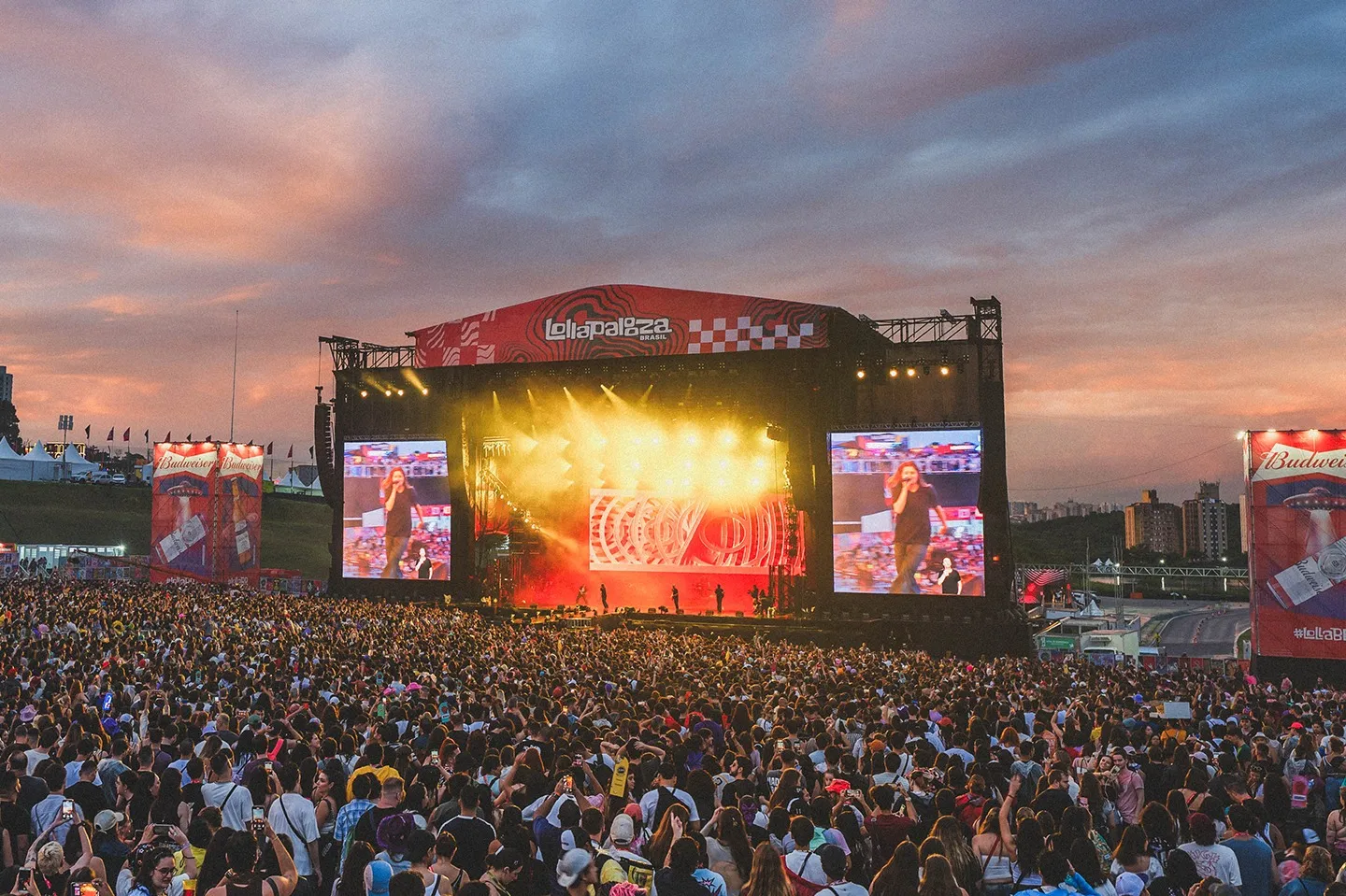
On the night of March 22, 2026, Tyler, the Creator walked onto the Budweiser Stage at the Autódromo de Interlagos alone. No backing band, dancers and certainly no elaborate stage set. Just him, dressed in red to match the cover of his latest album, and roughly 90,000 people who had been waiting years for this specific show. He had cancelled a 2018 Lollapalooza Brasil appearance. He owed São Paulo something, and São Paulo remembered. By the time he improvised chants of “São Paulo” before launching into Tamale, the crowd had stopped being an audience. That was how the 13th edition of Lollapalooza Brasil ended — with one man, one microphone, and 270,000 people across three days who had just witnessed what reviewers called the strongest festival weekend in the event’s Brazilian history.
From Farewell to Festival
Perry Farrell created Lollapalooza in 1991 as a goodbye. His band, Jane’s Addiction, was breaking up, and the festival was supposed to be their farewell tour across North America — a travelling carnival of alternative rock that would play more than 20 cities and then cease to exist. It drew enormous crowds everywhere it went, became the defining cultural event of American alternative music in the early nineties, and refused to die on schedule.
The festival ran annually until 1997, paused for a while, returned briefly in 2003, and then reinvented itself entirely in 2005 as a permanent destination event in Chicago’s Grant Park. Farrell had watched Coachella prove that a festival anchored in one city could be as powerful as a touring one, and made the pivot. It worked. By the late 2000s, Lollapalooza Chicago had become one of the most attended music festivals in the United States, drawing upwards of 100,000 people per day across four days every summer.
Then Farrell started asking a different question. Not where to play in America, but where else in the world the festival could live. Santiago, Chile became the first international outpost in 2011. São Paulo followed a year later.
Lolla Finds Brazil: April 7, 2012
The first Brazilian edition of Lollapalooza ran on April 7 and 8, 2012, at the Jockey Club of São Paulo, with 70 acts across five stages. The headliners were Foo Fighters on the first night and Arctic Monkeys on the second, and 50,000 people showed up across the weekend without entirely knowing what they were showing up for. Nobody in Brazil had experienced a festival structured quite like it before — four or five stages running simultaneously, audiences constructing their own experience by wandering between them, discovering acts they hadn’t heard of and leaving with new favourite bands. The idea, as Farrell had always framed it, was not to give people a show but to give them a space.
The 2013 edition expanded to three days and drew 170,000 people across the weekend, playing through heavy rain and mud without losing the crowd. By 2014, the festival had outgrown the Jockey Club and moved to the Autódromo José Carlos Pace in the Interlagos district of São Paulo’s southern zone, a motorsport complex with the capacity to hold around 100,000 people per day.
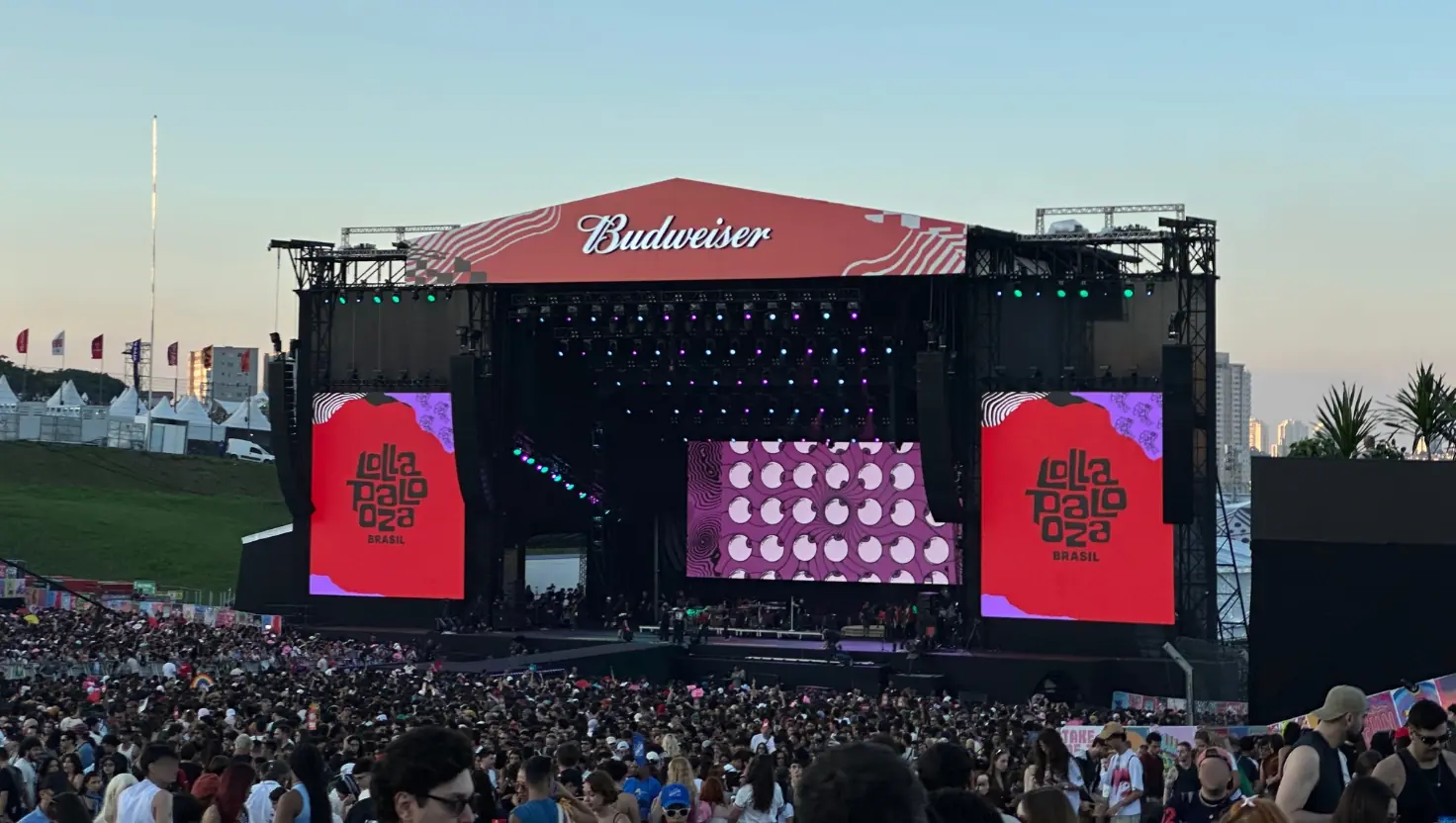
It has been there ever since, with the Autódromo’s flat, sprawling footprint giving the festival room to breathe across four stages — Budweiser and Samsung for headliners, the Flying Fish Stage for alternative and Brazilian acts, and Perry’s for electronic music.
The years that followed brought Pearl Jam, The Killers, Arctic Monkeys returning multiple times, Kendrick Lamar, Billie Eilish making her first Brazilian appearance, Olivia Rodrigo, Justin Timberlake, Shawn Mendes. The 2020 edition was cancelled a week before its planned dates because of the Covid-19 pandemic, with Guns N’ Roses, Travis Scott, and The Strokes already confirmed as headliners. When the festival returned in 2022, the Foo Fighters were on the bill and then not — drummer Taylor Hawkins died the day before the show, and a tribute set replaced the headliner. These things, the cancellations and the mud and the rain and the grief, are woven into the fabric of what the festival means in Brazil now. It has been through enough together with its audience to have earned a history.
2026: Tyler Owed Brazil This One
The 13th Brazilian edition ran March 20 to 22 at Interlagos, with 72 acts across four stages — 33 international artists and 17 performing in Brazil for the first time. Friday night belonged to Sabrina Carpenter, whose theatrical headlining set opened the weekend with the kind of visual precision that had made her one of the biggest pop acts in the world over the previous 18 months. Doechii, Grammy winner for Best Rap Album, took the same stage earlier in the evening. Kygo closed the electronic Perry’s Stage. Deftones and Interpol anchored the Samsung Stage, and Edson Gomes — 70 years old, 50 years into his career as one of Brazil’s most important reggae artists — made his Lolla debut on the Flying Fish Stage.
Saturday was Chappell Roan. Her Brazilian debut on the Budweiser Stage drew what organisers described as the weekend’s largest crowd, a festival field full of people who had spent the previous year watching her become one of pop music’s most exciting live performers from a distance, and who had flown to São Paulo for the occasion. Skrillex commanded Perry’s Stage. Lewis Capaldi headlined the Samsung Stage. Cypress Hill brought classic hip-hop to the afternoon.
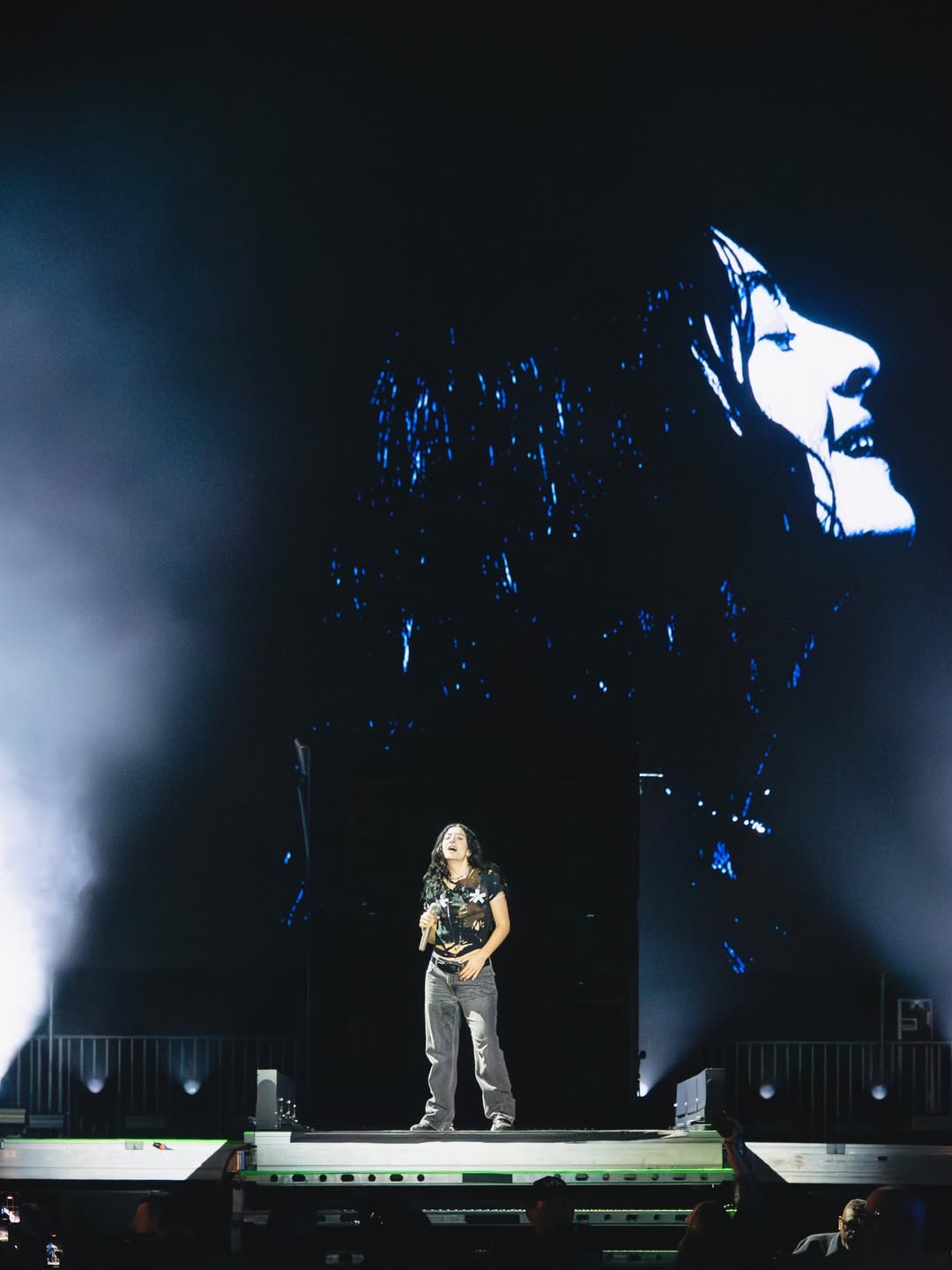
Sunday closed with Tyler, the Creator on the Budweiser Stage and Lorde on the Samsung Stage simultaneously, a pairing that split the crowd in the best possible way. Lorde had first played Brazil at a festival a decade earlier and returned with what reviewers called an intimate, powerful set, the kind of performance that rewards the people who chose the second stage over the headliner. Djo, the actor Joe Keery, drew a massive afternoon crowd on the back of his viral hit “End of Beginning,” proof that the algorithm and the Lolla crowd had been paying attention to the same things.
Tyler came out alone. He had the crowd dancing to “Sugar on My Tongue,” then brought them to silence with “Like Him,” a song about growing up without his father, which he had never performed in Brazil before. He spoke to the crowd in broken Portuguese and attempted a “te amo” that drew the kind of cheer only a genuine, imperfect attempt at connection produces and then launched into “Tamale.” The festival ended at around 1 AM, with 270,000 people having moved through the Autódromo over three days, and organizers reporting average visitor spending of R$2,000 per attendee, an economic footprint for São Paulo that extended well beyond the ticket price.
The Accidental Discovery Is the Whole Idea
The thing Perry Farrell understood in 1991, and that Lollapalooza Brasil has carried into its Brazilian editions since 2012, is that the best festival experience is not a concert you attend but a city you inhabit for a weekend. The four stages running simultaneously at Interlagos are not a logistical solution — they are the point. You plan to see Chappell Roan and end up at the Flying Fish Stage watching a Brazilian act you had never heard of, and that accidental discovery is the thing you talk about on the way home. In an era where every playlist is curated and every recommendation is algorithmic, a festival that forces you to wander and choose in real time is doing something genuinely different.
Half the 2026 lineup was Brazilian. Seventeen acts performed in Brazil for the first time across the three days. The festival’s economic impact runs to hundreds of millions of reais annually across hotels, transport, food, and the broader hospitality economy of São Paulo’s southern zone. It is, fourteen years after that first weekend at the Jockey Club, one of the most attended music festivals in Latin America and one of the most culturally significant events on the Brazilian calendar.