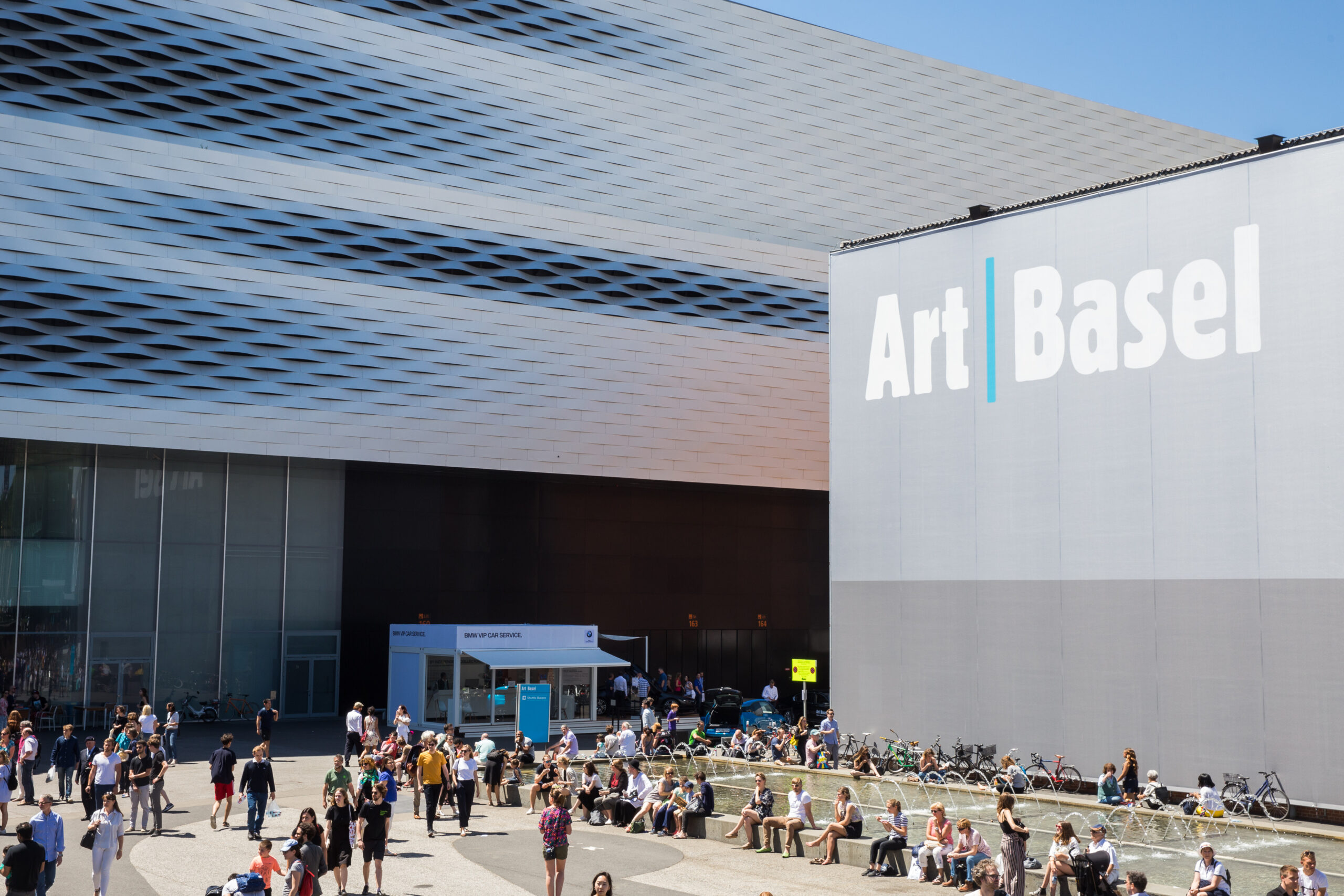
 Photo: Art Basel
Every June, the art world packs its bags and goes to Basel. Not to Miami. Not to Hong Kong. Not to Paris. To a mid-sized Swiss city on the Rhine with a population of 180,000 people, where a gallerist named Ernst Beyeler once placed a bet that quality, concentrated in one room, was enough to change the direction of a market. He was right. Fifty-six years later, the market has never stopped proving it.
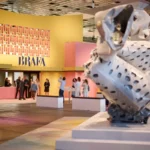
In 1970, Beyeler stood in the Messe Basel exhibition centre alongside Trudi Bruckner and Balz Hilt and opened the doors of the first Art Basel. The idea was not complicated. Bring the best galleries. Bring the collectors who can act on what they see. Let the market discover its own prices in concentrated public form. What none of them could have mapped is where that idea would travel. Art Basel is not an art fair that became important. It is the instrument through which importance in the contemporary art market gets assigned. No gallery, no artist, no collector, and no city operates in the international art world without reference to what Basel does. That is not prestige accumulated through quality programming. It is structural authority — the kind that rewrites the terms of every room it enters.
1970 Was When the Art World Got a Fixed Address
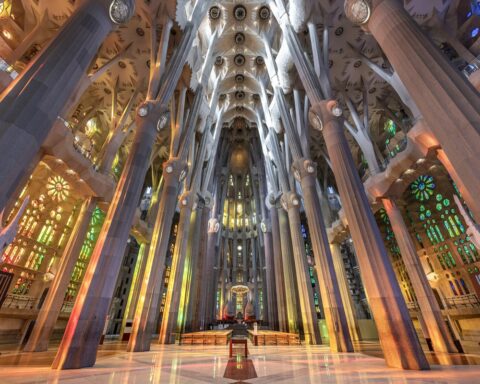
The Messe Basel exhibition centre sits at Messeplatz in the heart of a city that spent centuries making itself the right address for serious art. The Kunstmuseum Basel is the oldest public art collection in the world still housed in its original location. The architecture, the hotels, the institutional weight of the place — all of it created conditions in which a high-stakes market fair could happen without the transaction feeling incongruous. Beyeler did not manufacture the fair’s authority from nothing. He placed it in a city that had already earned the right to hold it.
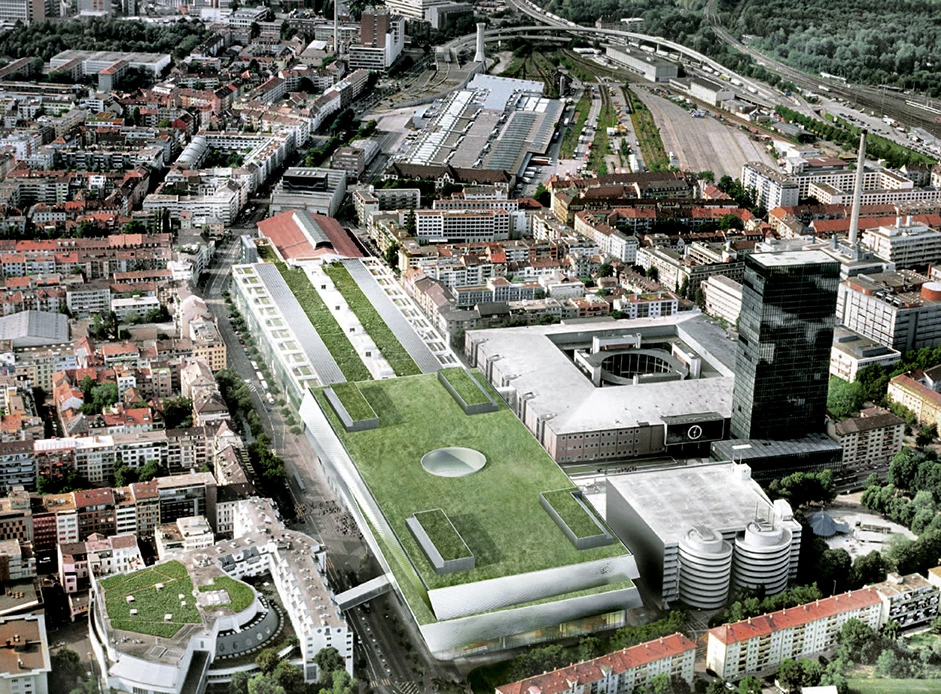
Photo: Arquitectura Viva
The architecture, the hotels and the institutional weight of the place — all created conditions in which a high-stakes market fair could happen without the transaction feeling incongruous. Beyeler did not manufacture the fair’s authority from nothing. He placed it in a city that had already earned the right to hold it.
The fair opens with invite-only Preview Days for VIPs and major collectors. Public days follow, accessible by purchased ticket. That sequence is not hierarchy for its own sake. It reflects how the art market actually works. The most consequential decisions happen before the public doors open — in private rooms, at dinner tables, in the corridors of Les Trois Rois hotel, which becomes a congregation point for the art world’s upper echelons during fair week. The transactions that make headlines take place in conversations that have no audience. The public days are the report, not the event.
From Basel to Miami to Hong Kong to Paris to Doha: The Logic Behind Each Move
Art Basel’s parent company, MCH Group, has extended the Basel model across five cities. Art Basel Miami Beach launched in 2002 at the Miami Beach Convention Center, anchoring Miami Art Week and establishing itself as the most important art fair in the United States. Satellite fairs — NADA, Untitled, Prizm, Pinta — now orbit it, each addressing a different corner of the market the main fair, by design, leaves uncovered.
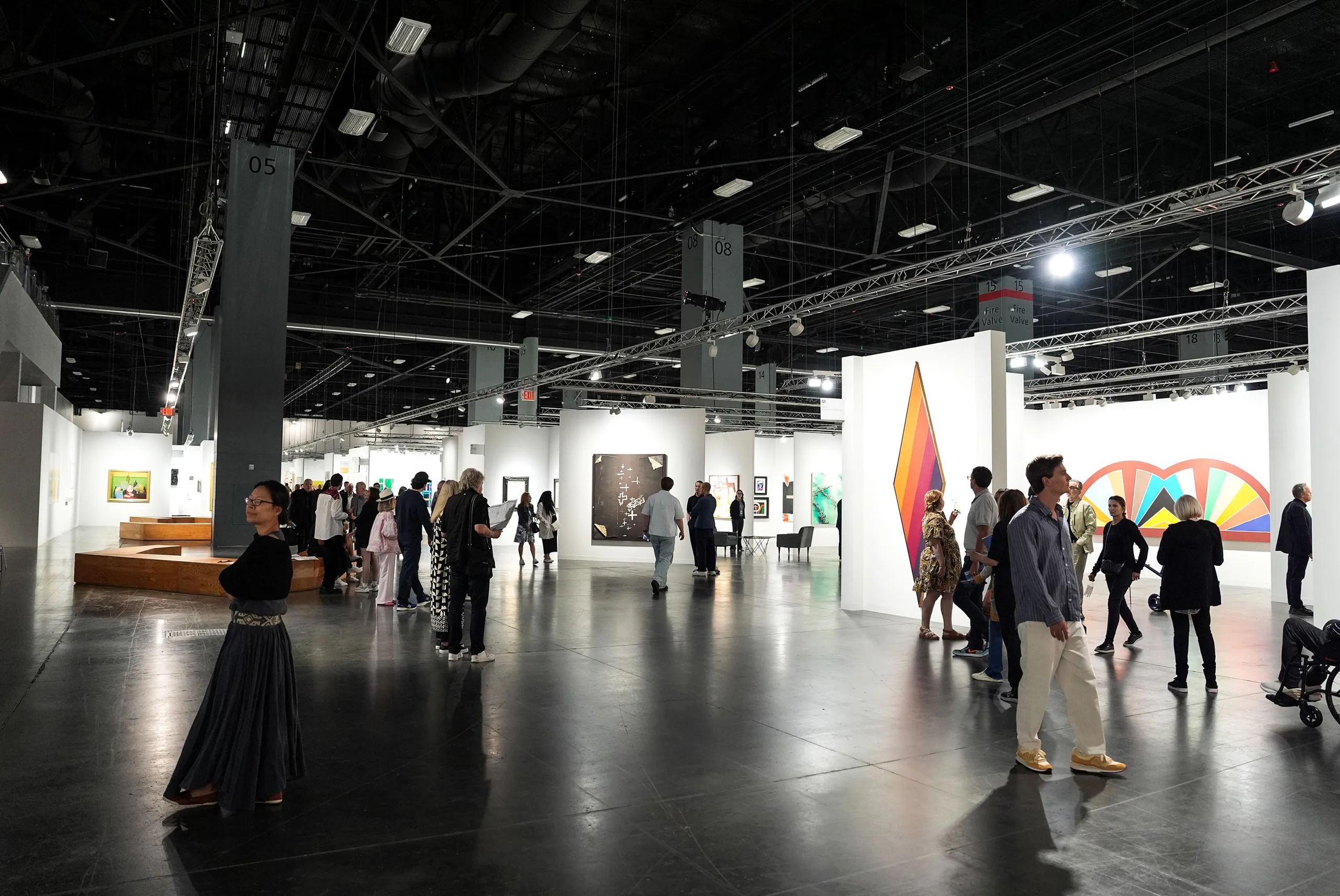
Miami’s version is more expansive in temperament — celebrities, parties, street art in Wynwood, a different kind of energy that the Swiss edition would never permit itself.
Art Basel Hong Kong followed in 2013, built from the existing Art HK fair that MCH acquired. It positioned itself as the primary gathering point for the Asian art market. Galleries and collectors that Basel and Miami, operating from a Western curatorial axis, could not adequately represent found their home there instead. Art Basel Paris launched in 2022 at the Grand Palais, displacing the native-run FIAC — which had held that October slot for close to half a century — in a move the Parisian art community received with shock. Philippe Boutté, a Parisian gallery director, called it “sad and violent.” The fair was fully rebranded Art Basel Paris in 2024. What FIAC built over fifty years, MCH absorbed in a contract announcement.
Art Basel Qatar launched in February 2026 at Doha’s M7 creative hub and Design District, co-organised with Qatar Sports Investments and QC+ under Qatar Museums. The Western art market had been contracting. Meanwhile, the Persian Gulf had money moving into cultural infrastructure at a scale that made expansion there not just logical but urgent. Basel gave Qatar the legitimacy it was purchasing. The arrangement is a partnership. Both parties know exactly what the other is buying.
A Basel Selection Is a Credential and the Market Prices It That Way
A Basel selection is a credential. For galleries, it signals institutional seriousness that collectors and curators use as a filter. For artists, a Basel presentation recalibrates market position in ways that no private sale, no auction result, and no critical essay quite replicates. For collectors, a Basel acquisition carries a provenance weight that the secondary market prices accordingly.
The fair also functions as price discovery in the most literal sense. Works that move at Basel — or publicly fail to — set benchmarks that flow through auction houses, private sales, and secondary markets for months afterward. Moreover, the dinner conversations and hotel-room negotiations during fair week shape decisions that surface publicly long after the Messe doors close. The fair is the visible portion of a market mechanism that runs considerably deeper than what anyone without an invitation sees.
In 2025, Art Basel launched the Art Basel Awards, honoring not only artists but curators, institutions, philanthropists, journalists, and fabricators — the people who make the infrastructure that makes the work possible. Thirty-six medalists were honored in the inaugural class. As part of that class, Nairy Baghramian and Ibrahim Mahama will unveil two major new public works in Basel this June — the first commissions to emerge from the Awards programme.
The 56th Edition and What It Brings
The 2026 Art Basel Switzerland edition runs June 18 to 21 at Messe Basel, with Preview Days on June 16 and 17. This year, 290 galleries from 43 countries and territories participate, including 21 first-time exhibitors. New and returning gallery representation arrives from Ivory Coast, Lebanon, Saudi Arabia, and Turkey. The main Galleries sector includes 232 exhibitors spanning historical to contemporary work — Gagosian, Gladstone, Hauser & Wirth, Pace, Perrotin, Almine Rech, White Cube, and David Zwirner among them. Making their debut are Zurich’s Larkin Erdmann, London’s Pippy Houldsworth, and Manila’s Silverlens — the last a signal that the fair’s geographic axis continues to shift.
The 2026 edition introduces Basel Exclusive, a new initiative developed in dialogue with participating galleries that asks exhibitors to hold back a selection of major works for their public debut at the VIP opening. It is a deliberate move to restore the element of surprise that defines the best fair experiences — the feeling that you are seeing something before the world has had a chance to process it.
The Unlimited sector gets a new curator in Ruba Katrib, Chief Curator and Director of Curatorial Affairs at MoMA PS1, who has assembled 59 large-scale projects spanning installation, sculpture, performance, and film. Parcours, the outdoor strand that winds through Basel’s streets and historic spaces, is curated this year by Stefanie Hessler of the Swiss Institute, with 22 projects opening along Clarastrasse and up to the Rhine. Two new site-specific commissions will be unveiled across Messeplatz and Münsterplatz as part of the inaugural Art Basel Awards — the fair extending itself into public space in a way that makes the city itself part of the programme.
Beyond the Messe, Art Basel week activates the entire city. Liste Art Fair Basel — running June 15 to 21 in Hall 1.1 at Messe Basel with 106 galleries from 36 countries — focuses on emerging contemporary galleries, with 13 supported by Friends of Liste and five independent artist-run initiatives in its Wall section. Volta, Photo Basel, and I Never Read, Art Book Fair run concurrently. The city transforms. What Beyeler placed in Messeplatz in 1970 now generates an entire parallel cultural economy across a city that already had one.
Art Basel Switzerland 2026 runs June 18 to 21 at Messe Basel, with Preview Days on June 16 and 17. VIP Preview on June 16 is by invitation only. Vernissage access on June 17 requires a ticket or VIP card. Public day tickets are available through the official site. For gallery listings, sector guides, Parcours maps, and the full programme, visit the website and follow them on Instagram.