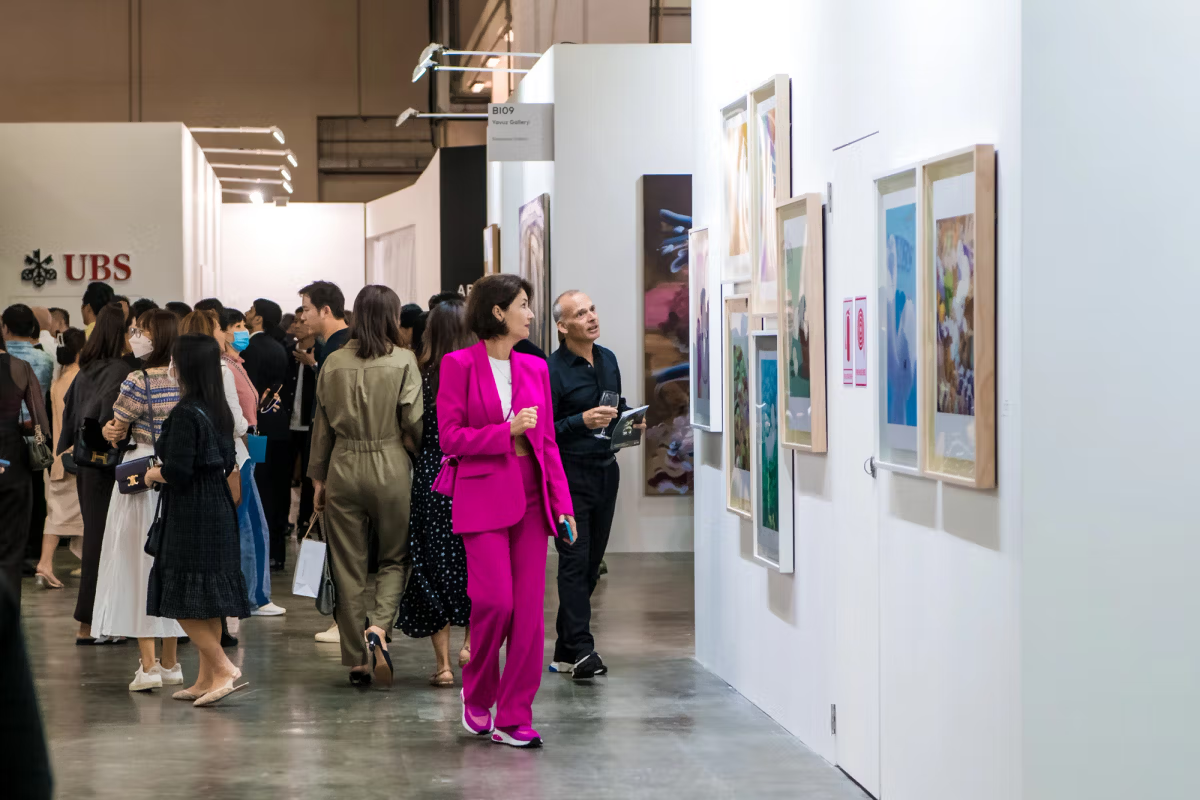
In January 2026, collectors flew into Singapore from Jakarta, Manila, Bangkok, Hong Kong, and mainland China for a four-day contemporary art fair that had launched only three years earlier. They did not come because the flights were convenient, though they were. They came because ART SG had become the answer to a question the Asian art market had been asking for years: where, outside of Hong Kong, does the serious business of contemporary art happen in this region? Singapore has an answer now. And the answer has a venue.
ART SG launched in January 2023 at the Sands Expo and Convention Centre at Marina Bay Sands. The timing was deliberate. Hong Kong’s grip on the Asian art market had been loosening as a result of political uncertainty, the pandemic, the departure of international residents, and the general recalibration of what the city could reliably offer. And Singapore stepped into it. The fair arrived not as an experiment but as a structural proposition: that Southeast Asia needed a global-standard contemporary art fair anchored in the city that Southeast Asia’s money and institutions already called home.
Three editions later, it has made that proposition stick.
Singapore Was Never an Accident
The choice of Singapore is not incidental to what ART SG is. It is the entire argument. The island-state sits less than four hours by flight from every major Southeast Asian city. Its infrastructure — transport, hotels, banking, legal — is built for exactly the kind of high-value international trade event that an art fair at this level requires. Moreover, Singapore has over the past decade become one of the fastest-growing wealth centres in the world. The UBS Billionaire Ambitions Report 2025 recorded 66% wealth growth in Singapore in a single year, making it the third-largest billionaire market in Asia-Pacific. The number of single family offices has jumped fourfold since 2020, driven by an influx of wealthy Chinese and South Asian families drawn to Singapore’s stable governance, competitive tax regime, and banking infrastructure.
In 2026, Singapore is home to over 6,000 ultra-high-net-worth individuals — a 268% increase in one decade. These are not passive residents. They are collectors. Additionally, Singapore’s National Gallery holds the world’s largest public collection of Southeast Asian art, and the Singapore Art Museum has been steadily expanding its institutional acquisitions.
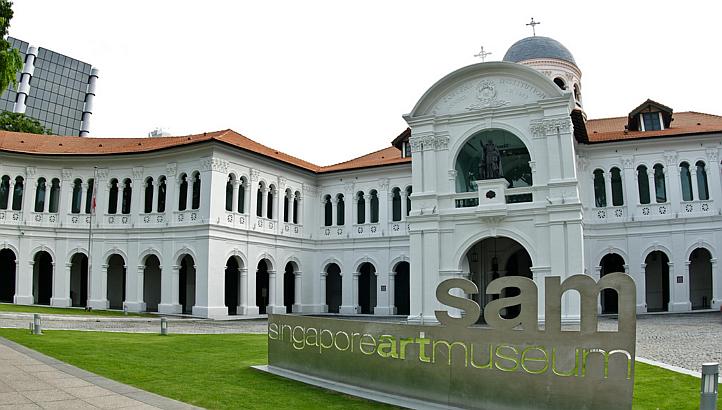
The Singapore Art Museum acquired new works at ART SG 2026 through the SAM ART SG Fund — a direct line between the fair and the country’s permanent public collection. That connection is not decorative. It is the difference between a commercial event and a cultural institution.
What the Fair Actually Does
ART SG operates across seven sectors designed to cover different registers of the market simultaneously. The main Galleries sector presents leading international and regional galleries with focused artist presentations. Spotlight gives galleries a dedicated solo exhibition format within their booth. Focus emphasises digital art, new media, and emerging-to-mid-career artists in tightly curated programmes. Focus First specifically supports first-time ART SG participants, giving new voices a structured entry point into the fair. Focus Digital restricts its presentations entirely to screen and technology-based work — digital painting, animation, immersive installations, augmented and virtual reality, film, blockchain-based art. Futures is reserved for galleries under ten years old, presenting specially created content not previously shown in a gallery or institutional context. South Asia Insights, new in 2026, runs as a pavilion-style curated exhibition showcasing artists from India, South Asia, and their diasporas.
The structure is deliberate. It refuses the flattening that happens when every exhibitor occupies the same undifferentiated space. Instead, the fair maintains distinctions between established international galleries, regional voices, digital-native practices, and genuinely emerging work. Each sector has its own logic and its own audience within the same building.
Bringing S.E.A. Focus In Was Not Ideological — Not Logistical
For the first time in 2026, S.E.A. Focus — the dedicated Southeast Asian contemporary art platform — was organised by and held at ART SG rather than running as a separate event. Curated by John Z.W. Tung, the 2026 edition carried the theme The Humane Agency, creating a concentrated encounter with established and emerging artists from across the region inside the fair’s own footprint. This integration was significant. It brought the region’s most focused institutional art programme into direct contact with the fair’s international collector base, rather than running in parallel where the two audiences rarely overlap.
Beyond S.E.A. Focus, the PLATFORM programme presents large-scale installations and site-specific commissions throughout the fair’s public spaces. FILM gives moving image and experimental film a dedicated exhibition context. TALKS runs a programme of panel discussions, artist conversations, and critical forums across the fair’s run. The inaugural ART SG FUTURES Prize, presented by UBS, was awarded in 2026 to the most outstanding emerging artist featured in the Futures sector — a prize that, even in its first edition, carried the weight of the fair’s institutional backing behind it.
January in Singapore: An Entire City in Motion
ART SG runs within Singapore Art Week, the annual nine-day citywide celebration of visual arts that takes place each January. The 2026 edition of Singapore Art Week ran January 21 to 31, activating galleries, museums, and public spaces across the city simultaneously.
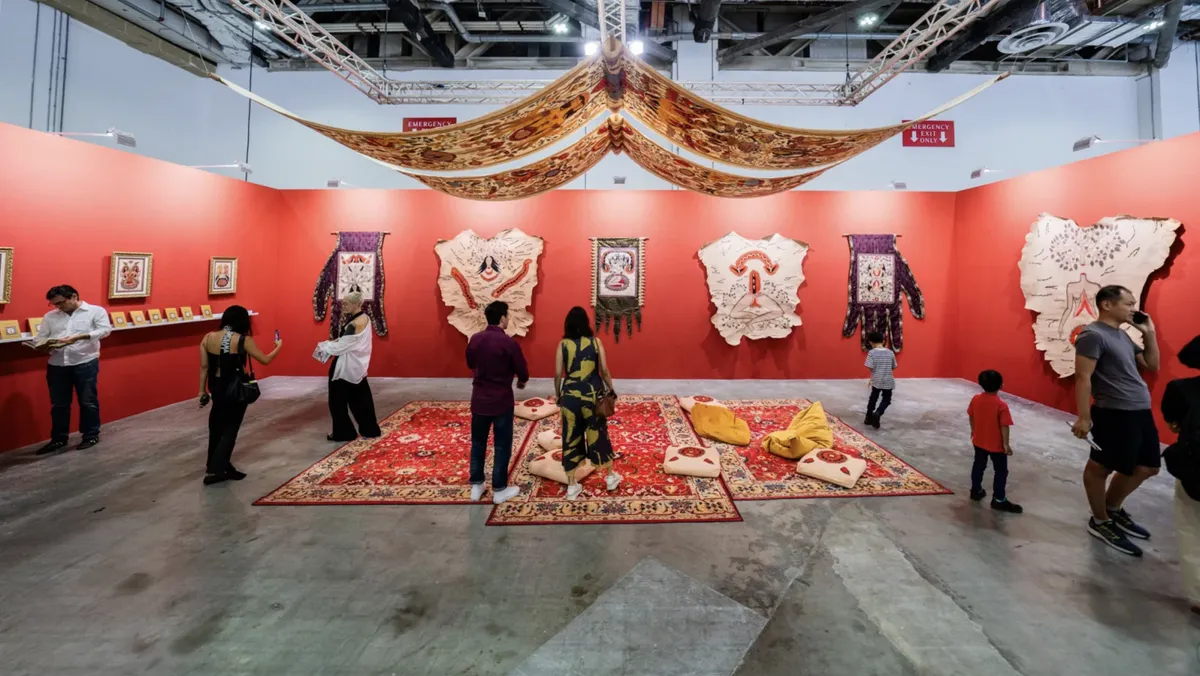
Events spanned the SAW Forum — themed FORCE·FIELDS in 2026 — Art Night at Tanjong Pagar Distripark, Sonic Shaman at the Singapore Art Museum, and public art installations across multiple districts. The week functions as the frame inside which ART SG sits, ensuring that collectors and visitors arriving for the fair encounter a city already fully mobilised around art.
That mobilisation matters because an art fair does not exist in isolation from its host city. What Singapore Art Week does is ensure that the city itself becomes part of the reason to arrive — not just the convention centre. The National Gallery, the Singapore Art Museum, Gillman Barracks, and dozens of commercial galleries all run programming concurrently. The result is a week in which Singapore genuinely feels like a city in the grip of something.
The Press Said What the Numbers Already Showed
ARTnews described the 2026 edition of ART SG as evidence that the city is no longer simply hosting the region’s art world — it is actively shaping it. Strong early sales, growing institutional engagement, and increasing confidence in Southeast Asian voices alongside global blue-chip names were the specific markers cited. ArtAsiaPacific noted that regional collectors arrived in healthy numbers, many having flown in from Jakarta, Manila, Bangkok, and Hong Kong, alongside a notable contingent from mainland China. The Business Times called it the best ART SG since debut.
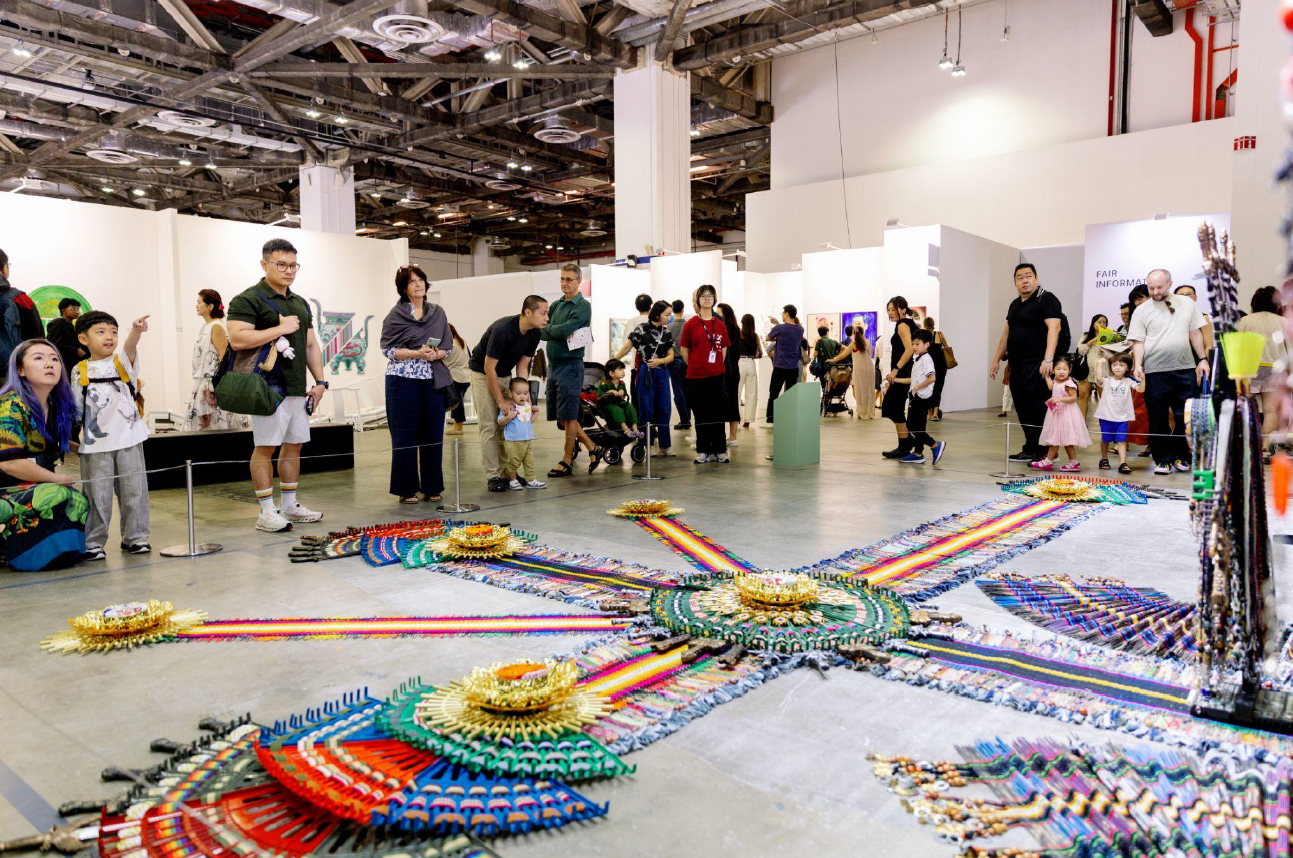
Monocle put it directly: ART SG has transitioned from a speculative venture into a structural anchor. The Art Newspaper, not given to overstatement, ran the phrase “all roads lead to Singapore.” That is not a sentence a publication like The Art Newspaper writes about a fair in its third year unless the evidence demands it.
Getting to the Fifth Edition
The fifth edition of ART SG returns January 22 to 24, 2027, at the Sands Expo and Convention Centre, Marina Bay Sands, with VIP Preview and Vernissage on January 21. Applications from galleries are currently open. Tickets and visitor information will be available through the official site ahead of the January opening. For programming updates, sector announcements, and fair news, visit their website and follow them on Instagram. For the full Singapore Art Week programme running concurrently, visit artweek.sg.